
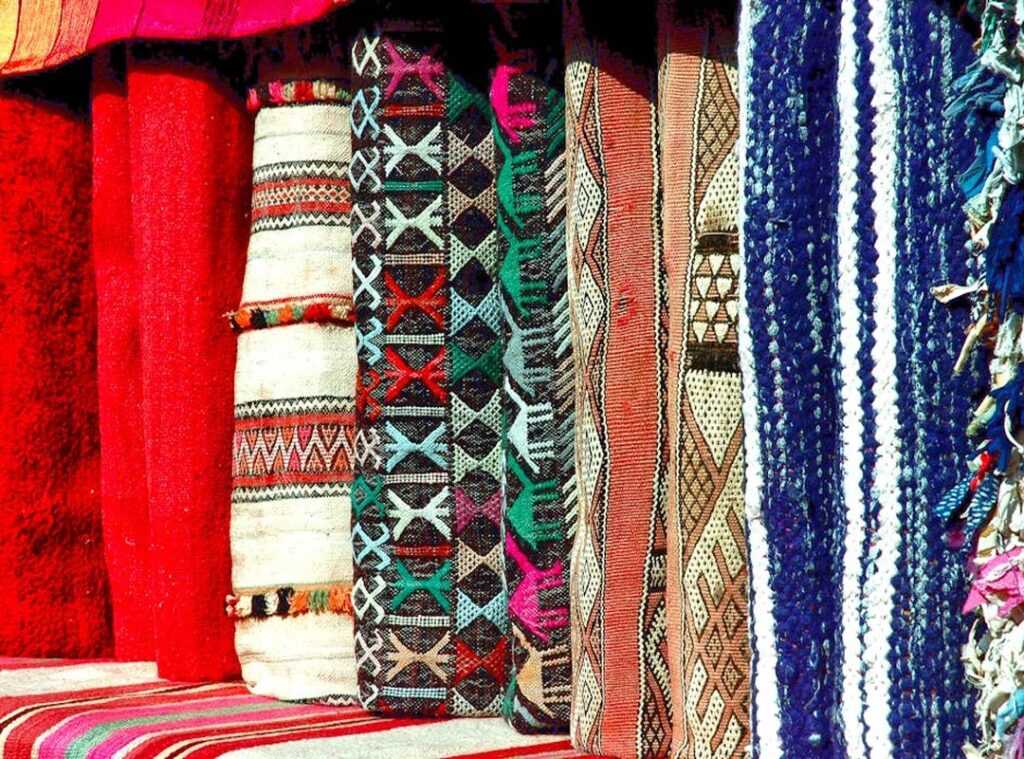
Fabric is a universal language. It tells stories. Our clothing, our heirlooms.
But what happens when we use it to speak together? Many crafters and artists want to connect their passion to something bigger. They just don’t know where to start.
History shows textiles as a tool for community building and social commentary. It’s solid.
We’re spotlighting meaningful artisan projects for a reason. You need to know the potential of collaborative fabric art. This guide will showcase inspiring textile art projects from around the world.
We’ll offer a practical blueprint to start your own. You’ll leave understanding how these projects work, why they matter, and how to join this creative movement.
Trust this content. We’ve consulted experienced creators and highlighted projects with real impact. You’re not alone in this journey.
Fabric Art: More Than Just Stitching
A fabric art initiative is more than a bunch of folks sitting around with needles and thread. It’s a collaborative project using textile-based media to reach a goal. Not just making a pretty quilt!
Three components make these projects tick: a unifying purpose, a collaborative spirit, and of course, the textile medium itself.
Let’s break this down. First, the purpose. Whether it’s social, environmental, political, or cultural, there’s always a bigger picture.
Second, the spirit. This isn’t a solo gig. It’s about community, a group effort.
And third, the medium. Fabric has a way of connecting us all (everyone’s got that one weird shirt in the closet).
Think about community quilts or public ‘yarn bombing’ installations. They’re everywhere, right? Upcycled textile projects and cultural preservation workshops are other ways these initiatives manifest.
They’re diverse, just like us.
Why fabric, you ask? Fabric is tactile, tangible. It’s something we all relate to.
It’s woven into our domestic and communal lives, like how featured artisan inspiring woodwork creations are crafted with purpose and tradition. Textile art projects tap into this shared history, making them solid.
So, next time you see a bunch of folks quilting together or a tree wrapped in yarn, know it’s more than art. It’s a movement. It’s a statement.
And it’s something we can all be part of.
Textile Art Projects: Threads of Change
When I think of textile art projects, I think of their deep-rooted power to transform communities. Take the Social Justice Sewing Academy. They don’t just make quilts; they stitch stories, give voice to youth, and demand attention to social justice.
I visited one of their workshops, and wow, the energy was electric! Each piece of fabric was a protest, a cry, a hope. Why quilts?
They’re a canvas for dialogue and change. It’s not just about crafting. It’s about creating a space where young people can shout their truths through fabric.
And let me tell you, it resonates.
Next up, the Welcome Blanket Project. It’s genius. Simple, yet deep.
They use handmade blankets to link established U.S. residents with new immigrants. I know, it sounds basic. But think about it.
A blanket isn’t just warmth. It’s a message: You belong. Each stitch says, we’re different, but we’re together.
I’ve seen the stories bundled with those blankets, and they’re more than fabric. They’re narratives of hopes and challenges (and everything in between).
And then, there are those funky “Stitch ‘n’ Bitch” groups. You’d think small gatherings couldn’t spark change, but they do. I’ve dropped into a few, and they’re like therapy (with knitting needles).
Folks gather, chat, and suddenly, the loneliness fades. Micro-level changes that ripple out. You don’t need a massive non-profit to make waves; sometimes all it takes is a cozy corner and a group of passionate people.
Talking about textile art never gets old. If you’re curious, check out these 33 fiber art ideas for your classroom. They might just inspire your next big project.
Threads of Purpose: Projects for Sustainability and Storytelling
Textile art projects aren’t just about aesthetics. They’re about stories, community, and the planet. Take the upcycling and mending movements.
Artists like Celia Pym have turned visible mending into an art form. It’s not just patching holes; it’s honoring an object’s history. When you see those stitches, you see a story.
Workshops on visible mending aren’t just classes. They’re initiatives, sparking conversations about sustainability and creativity.
Then there’s the Gee’s Bend Quilters. If you haven’t heard their story, you’re missing out. This isn’t just about quilts.
It’s a rich narrative of resilience and creativity. These artists have preserved a unique craft, fostering economic independence while narrating their community’s history through abstract designs. It’s multi-generational (grandmothers) teaching granddaughters.
Quilting here is more than art; it’s a solid statement.
And let’s talk narrative embroidery. Imagine individuals, refugees or trauma survivors, using embroidery to document their personal histories. The slow, meditative process of stitching isn’t just therapeutic; it’s empowering.
Each stitch is a step towards healing. It’s a form of storytelling that transcends words, connecting people across cultures and experiences.
These textile projects, like the Showcasing Ceramic Artists Masterpieces, highlight a deeper purpose. They remind us that art isn’t just for hanging on walls. It’s a medium to address environmental issues and tell important stories.
It’s about making the invisible visible. And in a world where everything moves so fast, isn’t it refreshing to slow down and stitch a tale? So, what story will your stitches tell?
From Idea to Impact: Launching a Small-Scale Initiative
Ever have a great idea but no clue how to make it real? You’re not alone. Let’s cut to the chase (here’s) how you turn that spark into action.
Start with the WHY. What’s your mission? Don’t overthink it.
Keep it straightforward. Want to create textile art projects? Or maybe spruce up a local park?
Whatever it is, your goal needs to be clear. We’re not talking about saving the world overnight. Start local.
Next, FIND YOUR PEOPLE. Recruitment isn’t rocket science. Post on a coffee shop bulletin board or your local library.
Maybe reach out to existing craft groups online. Social media hashtags can be your best friend (seriously). Or just ask a couple of friends to join in.
Always better with a buddy, right?
Then, GATHER YOUR RESOURCES. Keep it cheap and green. Ask around for donations of old clothes or linens.
Thrift stores are gold mines. Use scrap materials to cut costs and waste. Think creatively with what you have.
That’s where innovation happens.
CREATE A SIMPLE PLAN. What’s your final product? Know your timeline.
Decide where you’ll meet. Maybe someone’s living room or a community center. Plan how you’ll share or display the finished work.
It doesn’t have to be perfect. Simple plans are usually the best (trust me, I’ve learned this the hard way).
In the end, your small-scale initiative can have a big impact. Crafting something tangible from an idea. That’s what real change looks like.
Let’s get started.
Crafting Connections
There’s a gap between your personal passion and the bigger impact you crave. You’ve explored textile art projects and seen how they bridge this gap. They succeed because they meet our need for connection and storytelling through familiar textiles.
You don’t have to start a global movement overnight. Why not start small? Sketch an idea, save a scrap.
It’s simple, yet solid. You can transform your passion into something meaningful. Want to make a difference?
Begin today. Settle for nothing less than weaving your legacy. Take your first step.
Visit lwmfcrafts.com.co for inspiration and start weaving your future.
 Lynn Hallierones assisted in building the LWMF Crafts platform by contributing ideas and support that helped expand its creative direction. Hallierones worked alongside the team to highlight artisan projects and encourage a community centered around artistic exploration and hands-on crafting innovation.