
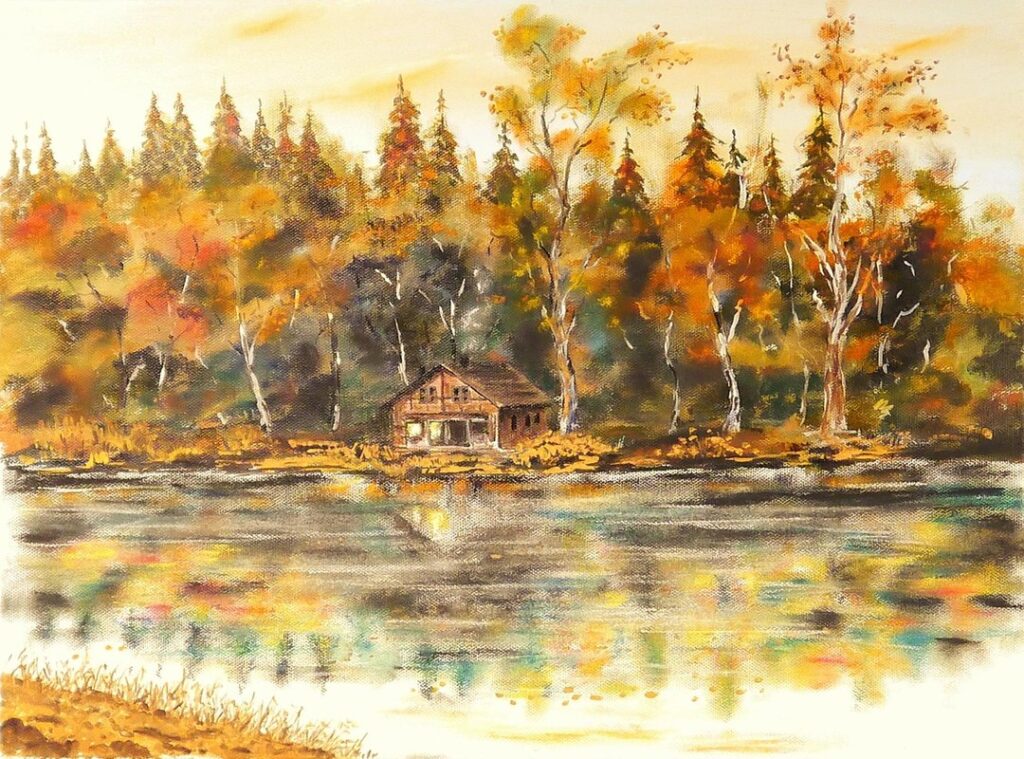
Ever felt the thrill of crafting something vivid, only to worry about the environmental cost? You’re not alone. Many of us want to dive into the world of color without harming the planet.
Yet, finding materials that are both eco-friendly and lively seems impossible. Trust me, I’ve been there too.
I’ve spent years testing art supplies, searching for that hard to find mix of performance and responsibility. Spoiler: It exists. This guide will lead you to the best natural dyes crafts options out there.
You’ll learn to create with a clear conscience, ensuring your art remains as bright as your intentions.
What Makes Art Supplies ‘Eco-Friendly’?
So, what does “eco-friendly” really mean when it comes to art supplies? It’s more than just a buzzword. It’s about being non-toxic, renewable, and sourced sustainably.
These are the essentials.
First, non-toxic materials. Why is this key? Obviously, it’s about safety, especially if kids are involved.
The AP (Art and Creative Materials Institute) seal is a good indicator here. It shows that a product has been tested for safety. You don’t want harmful chemicals around your craft table, right?
Then, let’s talk renewability and biodegradability. Most crayons and acrylics are petroleum-based, which means they stick around forever. Plant-based alternatives like soy crayons or beeswax options?
They break down and return to the earth. Natural dyes crafts are a great example of this. They’re often made from plants and minerals, offering a safe, natural way to color your world.
Sustainable sourcing and packaging are the final pieces. How many times have you opened a product, only to be buried in unnecessary plastic? Companies using recycled materials and minimal packaging get it.
They realize that sustainability starts from the source. Look for pencils made from sustainably harvested wood or paints with recycled containers. It’s about making choices that matter.
Being a conscious consumer means evaluating products beyond the labels. Ask questions. Does this product align with my values?
Check certifications. Evaluate materials. And if you’re into creating texture art without expensive tools, these principles apply there too.
Choose wisely and make your crafting kinder to the planet.
From the Earth: Natural Pigments and Dyes
Ever thought about where your colors come from? I mean, really thought about it. Using pigments and dyes straight from nature is as old-school sustainable as it gets.
Forget the synthetic stuff. We’re talking about colors that have been here since the dawn of time.
Let’s start in the kitchen. Turmeric gives you a lively yellow, beets offer a deep pink or red, and spinach? A lovely green.
Want to try making your own watercolor paint? It’s pretty simple. Just boil some beets, strain the juice, and mix it with a little corn syrup and cornstarch.
Voilà! You’ve got a natural dye.
Then there are the foraged and mineral pigments. Ochre and clay bring earthy tones, while berries and flower petals add a splash of nature. These materials offer a unique, authentic vibe.
It’s like painting with the earth itself. But there’s a catch. Colors might fade over time, and consistency can be a bit unpredictable.
Prep time is no joke either.
But hey, that’s the price for keeping it real. You can use a natural fixative to help with the fading. It’s all part of the process.
And honestly, that’s what makes it special.
You might be wondering if there are any downsides. Sure, natural dyes crafts can be a bit of a hassle sometimes. But it’s worth it for the biodegradable, eco-friendly results.
Plus, there’s nothing like the connection you get to your work when you make your own materials. It’s not just crafting; it’s an experience. If you’re curious about diving deeper, check out natural dyes crafts for some inspiration.
So, are you ready to get your hands dirty? Literally.
High-Performance Sustainable Choices: From DIY to Ready-Made
Ever feel like you’re swimming in a sea of craft materials, unsure which ones to choose? I get it. Transitioning from DIY to commercial products isn’t always easy.
But let’s be real. Crafters need convenience and reliability. It’s like choosing between making your own crayons (fun but time-consuming) and picking up eco-friendly options at the store.
Take crayons and oil pastels, for instance. Traditional paraffin wax crayons are everywhere, but have you tried beeswax crayons? They’re smooth, rich in color, and just feel better in your hand.
And if you want vegan-friendly options, soy-based crayons offer lively colors without the guilt. They both leave you wondering why you’d ever go back to the old stuff.
Now, colored pencils and markers. The pencils made from FSC-certified or recycled wood? They save trees but also provide a solid, satisfying feel.
And for markers, water-based, non-toxic inks are the way to go. Some even come with refillable cartridges or biodegradable casings, which is a win for the planet and your art. Does it feel good knowing your art supplies are as sustainable as they are effective?
Let’s talk paints and inks. Natural watercolor sets using honey or plant-based binders offer benefits not just for the environment but for your artwork too. The colors pop in a way that synthetic materials just can’t match.
Ever tried soy-based or algae-based inks? They’re an new choice for printmaking or calligraphy crafts. It’s like discovering a new level of depth in your work (and your conscience).
If you’re on a budget, don’t fret. There are ways to make sustainable choices without breaking the bank. You can learn more and find some budget-friendly hacks to keep your crafting eco-conscious.
So, are you ready to make the switch? High-performance sustainable choices are right in front of you. From crayons to paints, these options offer not just a way to create but a way to contribute positively to the world.
And isn’t that what art is about? Making an impact while enjoying the process. Your natural dyes crafts will never feel the same again.
Eco-Conscious Crafting: Beyond the Color
Let’s face it, crafting can be messy. But if you’re serious about natural dyes crafts, it’s time to think about eco-friendly tools. Start with bamboo or recycled plastic paintbrushes.
They’re not just good for the planet; they’re surprisingly durable. Swap disposable palettes for glass or ceramic. Why toss more plastic when you don’t have to?
And about those surfaces you use: recycled paper or sketchbooks made from bamboo or cotton rag are game changers. Ever thought about reclaimed wood or fabric? It’s all about reducing waste, right?
Now, cleanup. Here’s a trick: a multi-jar settling system for pigmented water. It’s a bit like a science experiment (without the lab coat).
This way, you don’t pour pigments down the drain. Better for your pipes and the planet.
Pro tip? Natural brush cleaners work wonders. Seriously, they beat synthetic ones any day.
Isn’t it time we crafted more responsibly?
Embrace Lively, Eco-Friendly Creativity
You want lively art without harming the planet, right? Well, you can have both. By choosing natural dyes crafts, you’re paving the way for a more sustainable creative journey.
Whether you DIY or buy high-quality products, you’re not just making art; you’re making a statement. You’re saying yes to a healthier planet and a more connected creative experience. Try it.
Pick a new material from our list and dive in. Feel the difference in your next project. It’s time to color your world consciously.
Ready to start? Check out lwmfcrafts.com.co and transform your creative practice today.
 Lynn Hallierones assisted in building the LWMF Crafts platform by contributing ideas and support that helped expand its creative direction. Hallierones worked alongside the team to highlight artisan projects and encourage a community centered around artistic exploration and hands-on crafting innovation.