
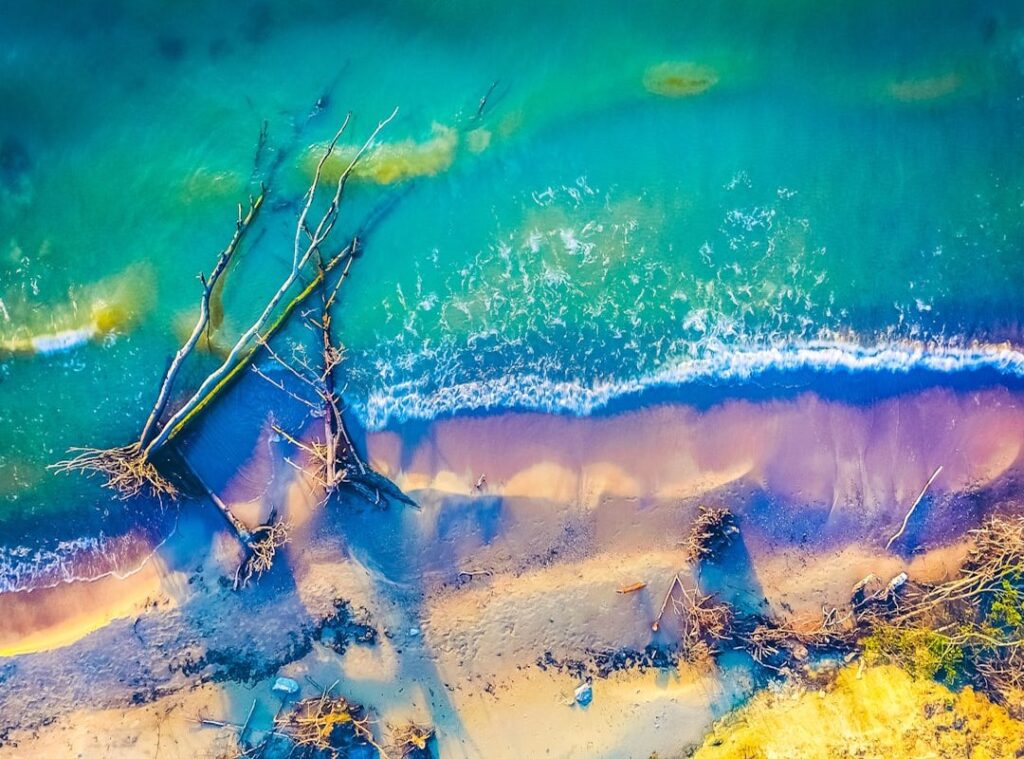
Resin art’s glossy allure is hard to resist, isn’t it? Yet trying to master resin art techniques can feel overwhelming. I get it.
As someone who’s spent years diving into this world, I’ve seen the hesitation firsthand. But it doesn’t have to be that way. With experience in teaching countless crafting methods, I’ve simplified the process for artists like you.
This guide will walk you through the most popular techniques, from basic pours to advanced applications. You’re not alone here. Consider this your creative partner, not just another dry manual.
Ready to open up the magic? Let’s get started.
Before You Pour: The Non-Negotiable Resin Art Fundamentals
Let’s talk resin. You’ve got two main types: Epoxy and UV. Epoxy is your go-to for larger projects, giving you more time (often called “pot life”) to work.
UV resin, on the other hand, is perfect for small, quick-set projects. Ever wondered when each is best? Well, now you know.
Safety is your first step. Seriously, don’t skip this. Nitrile gloves, a respirator mask, and safety glasses are non-negotiable.
Also, make sure your workspace is well-ventilated. You don’t want to be the artist who forgot to breathe, right?
Your toolkit should be solid. Mixing cups (silicone ones are reusable, so they’re a win), stir sticks, a digital scale, and a heat gun or torch for bubbles. Don’t forget a level surface.
Without it, your art might end up more abstract than intended. Not in a good way.
Understanding “pot life” is key. It’s the window of time you have to work before the resin sets. Miss this, and your masterpiece could turn into a disaster.
Trust me, I’ve been there.
For more on creative crafting techniques, check out this mastering art decoupage beginners guide. You might just find your next obsession.
Classic Pours: Foundational Techniques for Stunning Abstracts
Starting your journey into resin art techniques? You’re in the right place. to the fascinating world of fluid abstracts. Trust me, these foundational techniques are game-changers.
First up: the Dirty Pour method. Sounds a bit messy, right? But that’s the beauty.
You layer different colored resins in a single cup. Then, pour it onto the surface. It’s magic watching the colors merge and form unpredictable, organic patterns like cells.
Next, the Flip Cup technique. This one’s for the daring. Place the canvas on top of the resin-filled cup.
Then, flip them together. It’s as dramatic as it sounds. The initial splash of color is something to behold.
Think of it like an explosion of creativity. You might wonder, “Does it always turn out as expected?” Not always, but isn’t that part of the thrill?
Now, let’s talk about the Puddle Pour method. This one’s a bit more controlled. You pour colors in concentric or adjacent puddles.
Then, manipulate them with heat or tilt the surface. It’s perfect for creating softer gradients and effects. Want those dreamy transitions?
This is your go-to.
Feeling overwhelmed? Don’t worry. These techniques are easier than they sound.
And if you want a deeper dive, check out this resource. It’s packed with information to guide you.
Pro tip: Always have a plan, but be ready to adapt. Resin art is like jazz. It’s all about improvisation.
The best pieces often come from happy accidents. So, embrace the chaos. You’ll surprise yourself with what you can create.
Curious about materials? You don’t need much. Just some resin, coloring agents, and a canvas.
The rest is up to your imagination. Ready to open up your inner artist? These techniques are your ticket to stunning resin art.
Now go make something incredible.
Creating Depth & Intrigue: Mastering Layers and Embeds
You ever notice how some art just jumps out at you? That’s the magic of layering in resin art techniques. Forget flat pours.
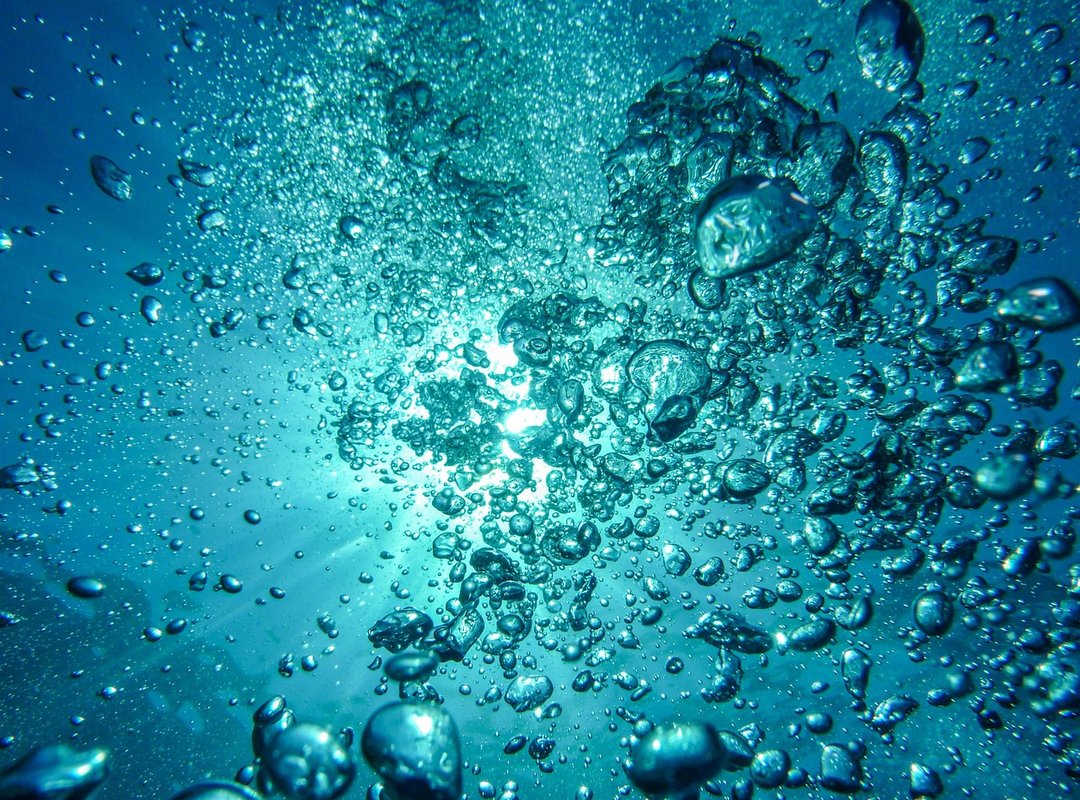
We’re talking about creating three-dimensional effects that make your work pop.
The layering method is simple but effective. Pour a thin layer of clear or colored resin, let it cure, then add more layers. This creates visual depth and can give you those oceanic vibes or galaxy effects.
It’s like looking into another world. Who doesn’t love a little extra depth in their art, right?
Embedding is where things get really interesting. You can embed all sorts of objects. Dried flowers, glitter, even photos.
Want to add some sparkle? Try crystals or gold leaf. It’s all about personal expression.
Remember, though, it’s not just about what you embed, but how you do it.
Let’s get into some tips for successful embedding. First, you’ve got to seal organic materials like flowers properly to stop discoloration and bubbles. Nothing worse than a wilted flower stuck in resin.
Pour in stages to suspend objects in the middle. Avoid having them sink to the bottom or float to the top. It’s all in the timing.
Ever watch a movie where the timing of the plot twists just hooks you? Same idea.
Think of this as a way to experiment and express yourself. Art should be fun, not stressful. Looking to mix things up beyond resin?
Check out some new quilting patterns 2024 for fresh inspiration. Who knows? You might find new ideas that crossover into your resin work.
So, are you ready to dive into the world of layers and embeds? These resin art techniques can transform how you approach your art. Create something that catches the eye but holds it.
Level Up Your Craft: Advanced Resin Art Techniques
Resin art techniques. Sounds fancy, doesn’t it? But it’s more than just a catchy phrase.
If you’re an artist itching to stand out, you’ve got to dive deep into these methods.
Let’s start with the Petri Dish effect. It’s like watching magic happen. You drop alcohol inks into resin and then a white ink that sinks.
The result? Coasters and art pieces that look like you’ve captured the essence of a microscopic world. The way the colors blend and create patterns is mesmerizing.
Seriously, who wouldn’t want to try this?
Now, geodes. If you’ve ever admired natural rock formations, this one’s for you. You use crushed glass, real crystals, glitter, and metallic pigments to mimic those stunning textures and colors.
The best part? You’re in control of the palette. Want to create an earthy vibe or go full-on cosmic?
It’s all up to you. The textures add another layer of intrigue. I mean, who thought resin could look so natural?
And don’t just stop there. Resin’s versatility extends beyond these crafts. Ever thought about mixing it with other materials?
Picture a ‘river’ table. Wood combined with resin creates a flowing effect that’s both functional and artistic. Or coat an acrylic painting with resin for a high-gloss, protective finish.
It turns a simple piece into something extraordinary.
These aren’t just techniques. They’re pathways to elevating your art. So, why not experiment?
You’ll be surprised at how resin can transform your projects. Isn’t that exciting?
Make Your Mark with Resin
Feeling overwhelmed by all the resin art techniques? I get it. There’s a lot to choose from, but the secret is simple.
Start small. Pick one technique that grabs you and dive in. It’s all about experimentation.
You know the basics now. You have the roadmap. So what’s stopping you?
Don’t wait. Choose a method that excites you, gather your supplies, and create something today. Trust me, the only way to make your masterpiece is to start.
You’re ready to unleash your creativity. And when you’re done, share it with the world. What are you waiting for?
 Zayric Xenvale is the kind of writer who genuinely cannot publish something without checking it twice. Maybe three times. They came to artistic expression styles through years of hands-on work rather than theory, which means the things they writes about — Artistic Expression Styles, Specialty Reads, LWMF Artisan Project Spotlights, among other areas — are things they has actually tested, questioned, and revised opinions on more than once.