
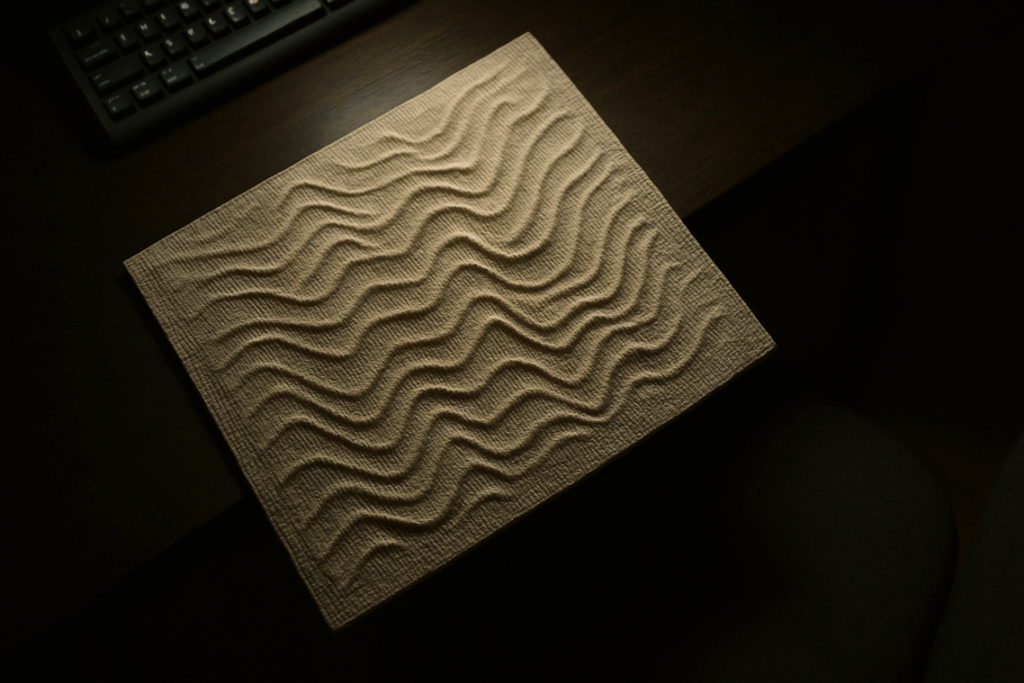
If you’re searching for the next wave of inspiration, this guide to creative trends 2026 is designed to give you a clear, actionable look at what’s shaping the crafting and DIY art world right now. Artists and makers are navigating rapid shifts in materials, techniques, and visual storytelling styles—and staying ahead means understanding not just what’s popular, but why it’s gaining momentum.
In this article, you’ll discover emerging crafting techniques, evolving artistic expression styles, and innovative DIY material hacks that are redefining how projects come to life. We’ve analyzed current maker communities, spotlighted standout artisan projects, and reviewed trend data across creative platforms to ensure the insights shared here are timely and relevant.
Whether you’re experimenting with new textures, exploring sustainable materials, or refining your signature style, this breakdown will help you translate trend awareness into tangible, standout creations.
Trend 1: Bio-Luminescent Aesthetics & Living Art
What it is: Bio-luminescent aesthetics explore art that mimics or incorporates natural light sources—think glowing fungi, deep-sea jellyfish, or phosphorescent minerals that shimmer in caves. Bioluminescence (the natural emission of light by living organisms) becomes both inspiration and medium. The result? Work that feels alive, not backlit.
I’ll admit, I’m completely enchanted by this trend. After years of staring at sterile LED screens (we all have screen fatigue), art that glows organically feels almost rebellious. It blends science and sculpture in a way that feels tactile and emotional rather than pixel-perfect.
The ‘Why’ Behind It: Many artists see this as a reaction against hyper-digital minimalism. Research in environmental psychology suggests natural elements reduce stress and improve mood (American Psychological Association), so it makes sense we’re craving luminous reminders of the natural world. Some critics argue it’s just another aesthetic gimmick. I disagree. When done thoughtfully, it reconnects us with wonder—like stepping into Pandora from Avatar, but handcrafted.
Examples in Practice:
- Installations using light-reactive pigments that shift under UV exposure
- Sculptures incorporating glowing algae cultures
- Digital projections simulating organic light pulses inspired by deep-sea life
This movement is gaining traction among creative trends 2026, especially as artists experiment with sustainability and biology.
DIY Application:
- Glow-in-the-dark acrylic paints
- UV-reactive resin pours
- Subtle LED string lights embedded in clay or canvas
Pro tip: Layer translucent materials to diffuse light softly (harsh glare ruins the magic). For more on how aesthetics spread online, see how social media is influencing modern creative communities.
Trend 2: Digital Weaving & Glitch Tapestry
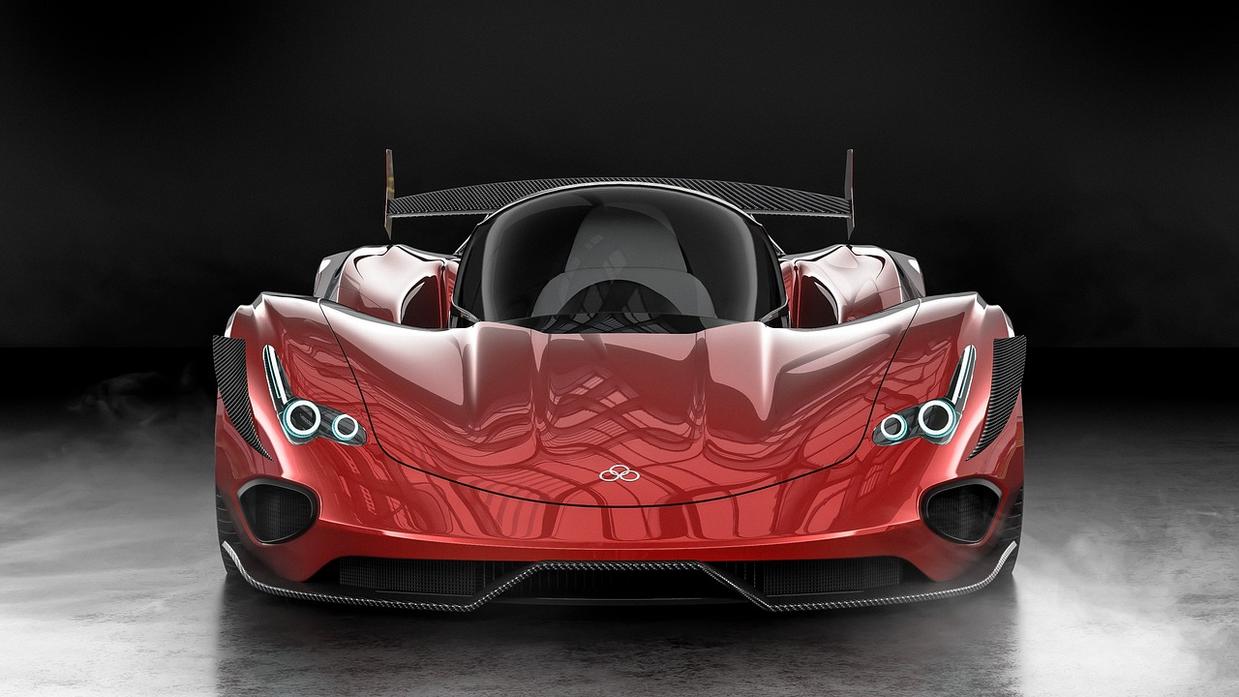
What it is: Digital Weaving & Glitch Tapestry blends time-honored textile arts—like weaving, embroidery, and quilting—with digital aesthetics such as pixelation, data visualization, and glitch art. (Glitch art refers to the intentional use of digital errors—like corrupted files or distorted images—as a creative effect.) The result? Fabric that looks like it crashed your computer—in the best way.
If you’ve ever felt torn between loving traditional crafts and living in a screen-saturated world, you’re not alone. So many makers feel the frustration of scrolling past sleek digital design trends while sitting beside a half-finished hoop. This trend answers that tension. It makes data tactile. It turns pixels into thread.
Some critics argue it’s just a gimmick—old crafts wearing a tech costume. But that misses the deeper appeal. Textile traditions have always documented culture. Today, our culture is digital. Why shouldn’t our quilts reflect that?
Examples in practice include:
- Artists translating corrupted JPEG files into intricate woven wall hangings
- Quilters using algorithms to generate geometric layouts
- Embroiderers stitching intentionally pixelated landscapes
These experiments sit comfortably among the broader creative trends 2026 landscape, where hybrid art forms dominate galleries and craft fairs.
DIY application: Grab grid paper and sketch a simple “pixel” motif for cross-stitch. Each square equals one stitch—easy. For knitters, create a glitch effect by:
- Intentionally dropping stitches
- Mixing yarn weights mid-row
- Abruptly shifting color blocks
(Pro tip: swatch first—controlled chaos is still control.)
Because sometimes the error is the masterpiece.
Trend 3: Upcycled Maximalism & The Art of Assemblage
Upcycled Maximalism throws out the old “less is more” rulebook and replaces it with “more tells a better story.” At its core, assemblage—an art technique that combines found objects into a unified piece—celebrates abundance, layering, and visible history. Think texture on texture, color clashing with confidence, and objects that clearly had a life before landing in your studio (and honestly, that’s the charm).
In my view, this movement feels less like a trend and more like a correction. After years of pristine minimalism dominating Pinterest boards, many creatives are craving work that feels human again. Critics argue maximalism can look chaotic or cluttered. Fair point. Without intention, it can drift into visual noise. However, when each element is chosen for its story, the result feels curated rather than chaotic—like a Wes Anderson set built from a flea market.
The “why” behind it is equally compelling. According to the EPA, the U.S. generated over 292 million tons of municipal solid waste in 2018 (EPA.gov). Upcycling reframes that waste as raw material. Sculptures made from e-waste, collages from vintage magazines, and garments stitched from discarded textiles transform excess into narrative.
If you want to try it, start collecting small “treasures”: bottle caps, old keys, fabric scraps, broken jewelry, ticket stubs. Begin with a memory box or mixed-media canvas—layer paper, attach objects, add paint washes. Pro tip: limit your color palette at first to avoid overwhelm.
Among creative trends 2026, this one feels the most emotionally honest—and the most fun.
Turn Inspiration into Your Next Masterpiece
You came here looking for clarity on where the crafting world is headed and how to stay ahead of the curve. Now you’ve seen how creative trends 2026 are shaping artistic expression, from bold material experimentation to smarter DIY hacks that elevate every project.
The real challenge isn’t finding ideas — it’s knowing which trends are worth your time, money, and creative energy. Falling behind means missed opportunities to stand out, grow your skills, and create pieces that truly resonate.
That’s why the next step matters. Start experimenting with one new technique you discovered here. Refresh your toolkit with smarter material swaps. Push your next project beyond your comfort zone.
If you’re ready to create work that feels modern, expressive, and ahead of the curve, explore more step-by-step guides, trend breakdowns, and artisan spotlights with us. Join thousands of passionate makers who trust our insights to spark their next breakthrough — and start your next standout project today.
 Zayric Xenvale