
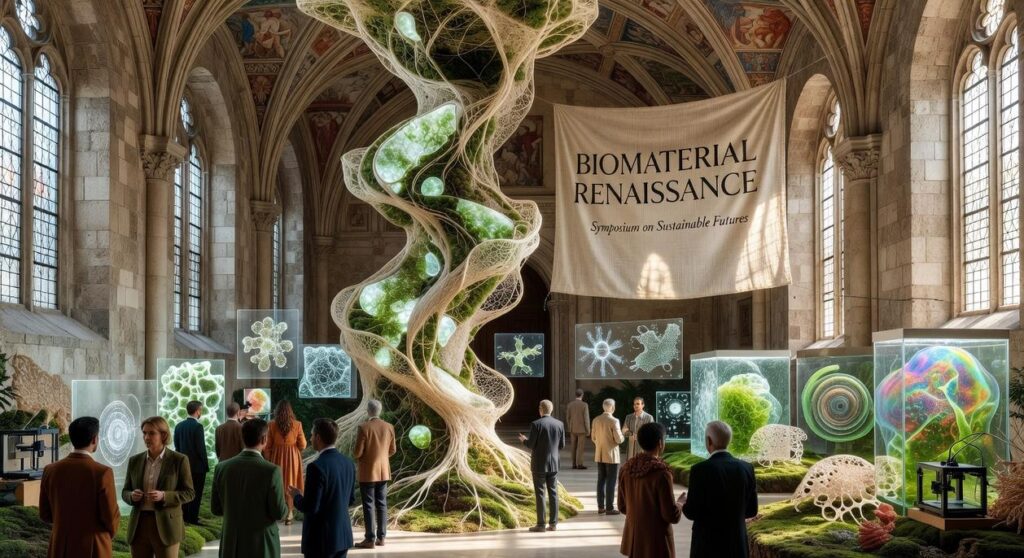
Trend #1: Bio-Crafting and the Sustainable Material Renaissance
As we explore the top creative industry trends shaping 2026, it’s essential to consider how these changes interplay with the themes of identity, which leads us to examine the profound influence of culture on artistic expression in our related article, ‘The Role of Culture in Shaping Artistic Identity.’

Back in 2019, “sustainable materials” mostly meant recycled paper and reusable tote bags. Fast forward to 2026, and bio-crafting has evolved into a full-blown material revolution—one of the defining creative industry trends 2026 has accelerated.
Bio-crafting is the shift away from petroleum-based synthetics toward renewable, biodegradable, and sometimes self-grown resources. Think mycelium (the root-like network of fungi) molded into sculptural forms, algae-based pigments that produce vivid natural hues, kombucha leather made from SCOBY (a Symbiotic Culture of Bacteria and Yeast), and even fish skin textiles repurposed from food waste.
At first glance, skeptics argue these materials lack durability. Fair point. Early mycelium prototypes from the mid-2010s were fragile. However, after years of refinement, designers now compress and treat fungal structures to rival foam and even lightweight plastics (Ecovative, 2023). In other words, this isn’t a crunchy side hobby anymore.
DIY Art Material Hack: Natural Dyes at Home
To try this trend yourself, start simple.
- Save avocado pits or onion skins.
- Simmer in water for 45–60 minutes.
- Strain, then soak natural fabric for several hours.
You’ll get dusty pinks (avocado) or warm ambers (onion). (Yes, your kitchen may smell like soup for a day.)
What makes these materials powerful is their ephemerality—meaning they change over time. A kombucha textile darkens. Algae pigments fade subtly. Consequently, the artwork becomes a living timeline rather than a static object.
Pro tip: Document your piece weekly. The transformation is part of the story.
Crafting Your Future
You came here looking for clarity on where creativity is headed, and now you have it. The creative industry trends 2026 point to four powerful shifts: sustainable bio-crafting, AI as a collaborative tool, multi-sensory experiences, and hyper-local sourcing.
Staying creatively inspired and relevant isn’t easy. Trends move fast. Audiences evolve. What felt fresh yesterday can feel outdated tomorrow.
But when you blend tradition with innovation, you stay ahead. Embracing these trends allows your work to feel both timeless and forward-thinking—grounded in craft, yet alive with experimentation.
Now it’s your move. Choose the one trend that excites you most and start a small experimental project this week. Don’t wait for perfect conditions—momentum creates clarity.
Your future relevance depends on what you create next. Start today.
 Wesley Phamantons contributed to the development of LWMF Crafts by supporting the growth of its creative content and helping shape the platform’s approach to showcasing crafting techniques and artistic trends. Through collaborative efforts and attention to detail, Phamantons played a role in strengthening the project’s vision of inspiring creators and sharing practical crafting insights.