
Crafting is evolving faster than ever, with new materials, techniques, and creative movements reshaping how artists bring their ideas to life. If you’re searching for fresh inspiration, practical DIY art material hacks, or insight into what’s defining today’s creative landscape, this article delivers exactly that. We explore emerging sustainable crafting trends, innovative artistic expression styles, and hands-on techniques that help you create smarter, not just more.
Many makers struggle to keep up with shifting trends while also finding reliable, budget-friendly ways to experiment. That’s why this guide combines real-world crafting experience, insights from active artisan communities, and in-depth analysis of current creative movements. Every tip and spotlight featured here is grounded in practical application—not just theory.
From standout artisan projects to clever material substitutions, you’ll discover actionable ideas you can apply immediately. Whether you’re refining your craft or starting something new, this article equips you with relevant, trustworthy insights to elevate your creative process.
Trend 1: The Art of Upcycling Beyond the Basics
Upcycling isn’t just painting mason jars anymore (we’ve all been there). It’s about redefining “waste” as raw creative potential. Plastic packaging becomes sculptural texture. Old textiles transform into statement décor. Even e-waste—like keyboard keys or circuit boards—can be repurposed into mixed-media art. That shift in mindset is powerful: you save money, reduce landfill impact, and create pieces no one else owns. That’s the real win.
This evolution is part of sustainable crafting trends, where makers look beyond the obvious and see materials as design opportunities. According to the EPA, textiles alone account for over 11 million tons of landfill waste annually in the U.S. Reducing even a fraction of that through creative reuse makes a tangible difference.
Technique Spotlight – Textile Weaving
Turn old T-shirts, denim, or fabric scraps into woven wall hangings or rugs. Cut fabric into long strips, stretch a simple DIY loom (an old frame works), and weave alternating colors for depth. The benefit? You declutter your closet and gain a custom décor piece that would cost far more retail. Pro tip: mix thick denim with soft cotton for visual contrast and durability.
Project Idea – “Junk Journal” Creation
Layer security envelopes, food packaging, ticket stubs, and old book pages into a stitched or ring-bound journal. The magic is in the texture. Transparent windows and foil wrappers add dimension you can’t buy in art stores.
Material Hack
Always wash, dry, and lightly sanitize unconventional materials. For plastics, mild soap works; for fabrics, hot water removes residues. Clean inputs mean longer-lasting art (and no mystery smells later).
Trend 2: Foraged and Found – Working with Natural Materials
Biophilic Crafting
Biophilic crafting (design that reconnects us with nature) turns simple finds—fallen leaves, river stones, bark, and wildflowers—into textured, meaningful art. Instead of buying synthetic embellishments, you gather materials already rich in color and story. As a result, each piece feels grounded and one-of-a-kind (no two leaves ever audition the same way). This approach aligns beautifully with sustainable crafting trends, reducing waste while elevating sensory detail—think the veining of a maple leaf or the cool weight of slate in your palm.
Technique Spotlight – Natural Pigments
Moreover, natural pigments offer vibrant, eco-friendly color.
- Crush berries for soft pinks and purples.
- Simmer onion skins for warm amber dye.
- Mix finely sifted soil with a binder like gum arabic for earthy paint.
These methods produce subtle, organic tones that age gracefully over time. Pro tip: test pigments on scrap paper first; natural dyes shift as they dry.
Project Idea – Pressed Flower Lanterns
First, press flowers between heavy books for 1–2 weeks. Next, arrange them between sheets of waxed paper. Then seal edges with a warm iron (adult supervision recommended). Finally, wrap into a cylinder and secure with double-sided tape. Add a battery tea light for a soft botanical glow.
Ethical Foraging
However, creativity shouldn’t harm ecosystems. Follow the 1/10th rule—take no more than 10% of what you find. Avoid protected species and forage only from abundant areas. In short, leave enough so nature’s gallery stays open for everyone.
Trend 3: The DIY Revolution – Non-Toxic, Homemade Supplies
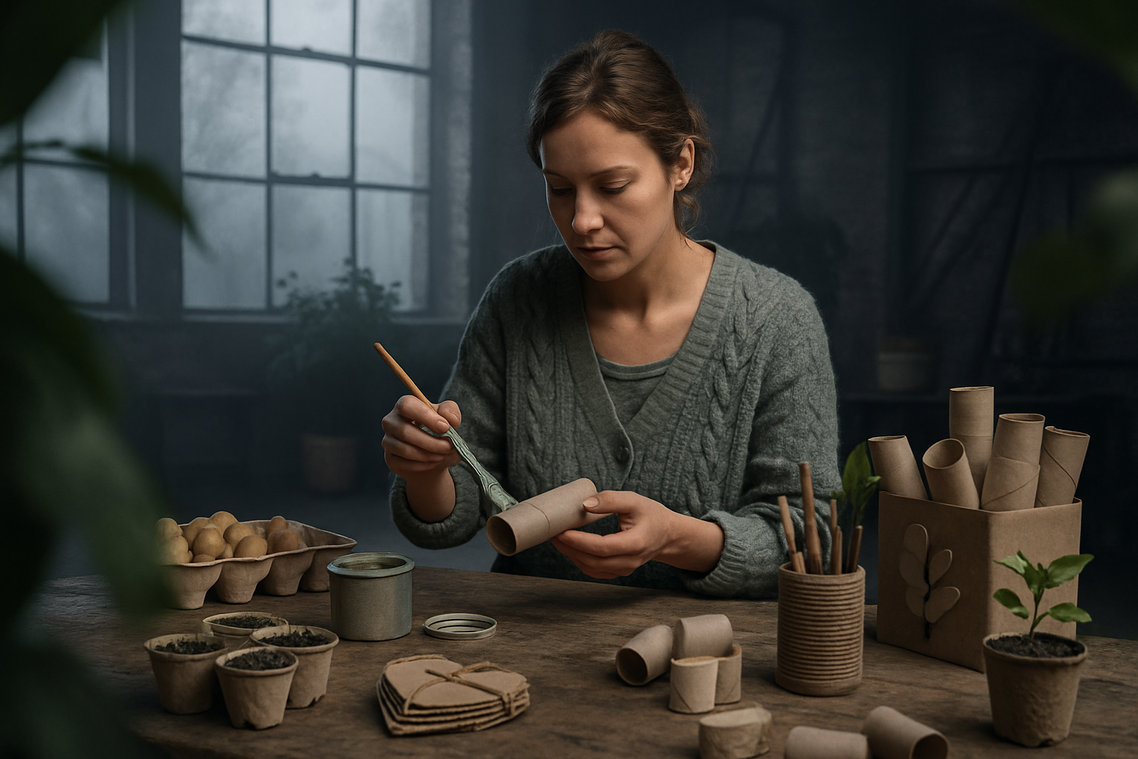
Let’s be honest: commercial art supplies aren’t as innocent as they look. Many conventional paints release VOCs (volatile organic compounds)—chemicals that evaporate into the air and can irritate lungs and trigger headaches (EPA). Glitter often contains microplastics that persist in waterways (UN Environment Programme). And some heavy-duty adhesives include formaldehyde-based resins (NIH). Convenient? Sure. Harmless? Not exactly.
That’s why I’m firmly on team DIY. Not because it’s trendy—but because it gives you control.
DIY Art Material Hack: Homemade Bioplastic
If you’ve never made bioplastic, you’re missing out (it feels like kitchen science meets craft night). Mix:
- 1 tablespoon cornstarch
- 1 tablespoon glycerin
- 4 tablespoons water
Heat gently while stirring until translucent. Spread thin and let dry for 24–48 hours. You’ll get a flexible, biodegradable plastic-like sheet perfect for sculpting or jewelry.
Some argue store-bought polymer clay is more durable. Fair. But for decorative projects? This works beautifully—and composts.
DIY Art Material Hack: Natural Adhesives
For paper projects, stir 1 part flour with 1 part water, heat until thick (wheat paste). It’s archival-friendly and surprisingly strong. For wood, combine warmed milk curds (casein) with a pinch of baking soda and water. Casein glue has been used for centuries in woodworking.
Why DIY Wins
First, it’s cheaper. Second, it reduces packaging waste. And most importantly, you know exactly what’s in your materials. In the era of sustainable crafting trends, that transparency matters.
Pro tip: Store homemade glue in the fridge and use within a week.
If you’re exploring mixed media, pairing these recipes with ideas from exploring mixed media techniques for unique creations opens up even more possibilities.
Personally? I’d rather trust my saucepan than a mystery ingredient list.
Trend 4: Mastering Zero-Waste Crafting Patterns and Processes
First, let’s define zero-waste crafting—designing projects so every inch of material is used, leaving little to no offcuts. Instead of trimming excess later, you plan smarter from the start (yes, a little math can save a lot of fabric).
For example, tessellation in paper arts uses interlocking shapes—like repeating hexagons—to fill an entire sheet without scraps. Think of it as a puzzle where every piece fits perfectly.
Similarly, zero-waste sewing patterns turn full fabric widths into garments, incorporating pockets, ties, or panels from what would’ve been waste. As sustainable crafting trends grow, mindful layout planning becomes both practical and planet-friendly.
Bring Your Creative Vision to Life with Purpose
You came here looking for fresh inspiration, smarter techniques, and meaningful ways to elevate your craft. Now you have practical ideas, innovative approaches, and insight into sustainable crafting trends that help you create with both style and intention.
Creative burnout, wasted materials, and projects that don’t quite match your vision can be frustrating. The good news? With the right techniques and a focus on thoughtful materials, your art can become more expressive, more efficient, and more impactful.
Act on what you’ve learned today. Try one new technique, experiment with an eco-conscious material swap, or start a small project that reflects your personal artistic voice. The more you apply, the more confident and original your work becomes.
If you’re ready to stop second-guessing your projects and start creating pieces you’re truly proud of, explore more expert-backed tutorials and trending ideas trusted by passionate makers everywhere. Dive in now, gather your tools, and turn your next idea into something extraordinary.
 Lynn Hallierones