
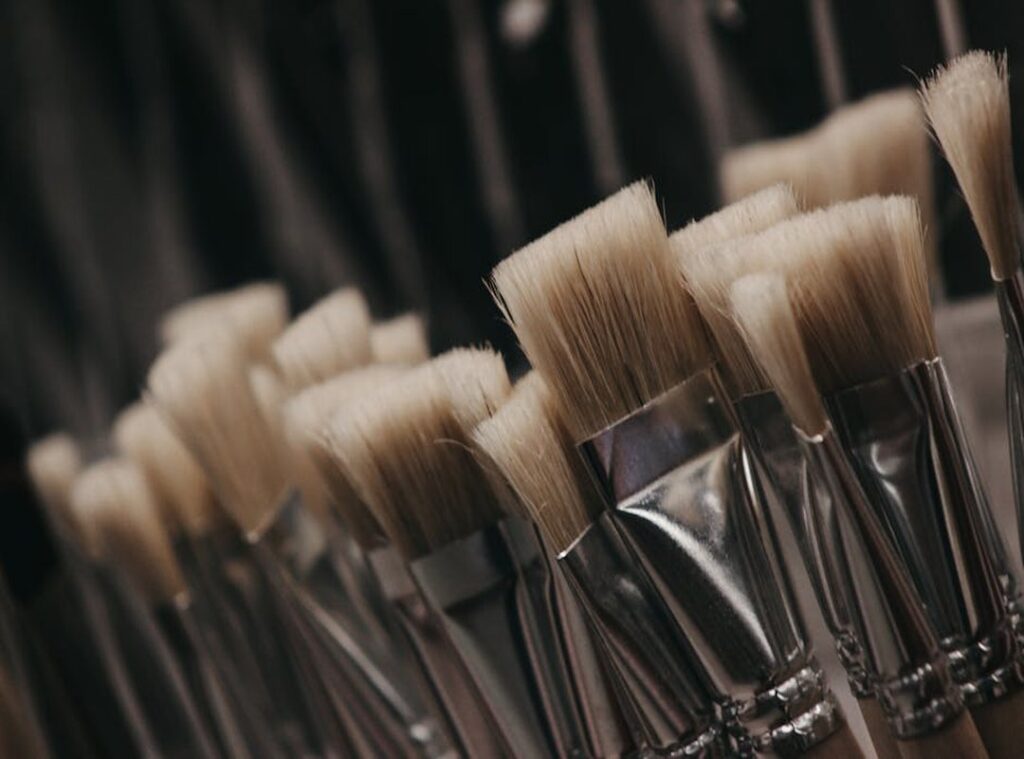
You know that feeling when you’re staring at a blank canvas, and it’s like the paintbrush is mocking you? Yeah, I’ve been there. Stuck in the same old routine, repeating techniques that just don’t capture what you’re trying to express.
But there’s a way out. I’ve spent years experimenting with diverse materials, and I’m here to share actionable techniques that’ll open new doors. Think painting material hacks that push beyond mere replication.
This guide will transform how you approach your art, moving from simply rendering to truly expressing. Ready to break free from the rut? Let’s dive in.
Painting’s Secret Weapon: Texture First, Color Later
Ever thought that a painting’s depth is born before the first splash of color? It’s true. Mastering texture lays the groundwork for what comes next.
Think of Impasto as the sculptor’s tool in a painter’s world. Grab a palette knife or stiff brush, and pile on that thick paint. Oil or acrylic?
Doesn’t matter. You’re building mountains and valleys on canvas. A pro tip: acrylic modeling paste is a budget-friendly way to stack up those layers without draining your wallet.
Now, let’s flip the script with Sgraffito. It’s like drawing by subtraction. Layer on some thick, wet paint, then carve through it with a knife or even the end of a brush.
This technique breathes life into your work with changing lines. But beware. Don’t rush into that second layer too soon.
Let each layer settle.
Paint consistency is key. Too thick and you’re in mud territory; too thin and you’ve got a puddle. These painting material hacks save both time and paint.
Oh, and if you’re curious about eco-friendly materials, check out how make eco friendly craft adhesives. It’s all about smart choices.
The Art of Flow: Embracing Fluidity and Spontaneity
Letting go of control in painting can be terrifying. But it’s also exhilarating. You know what I mean?
When you stop micromanaging every brushstroke, magic happens. Enter Acrylic Pouring. It’s about mixing acrylic paints with a pouring medium and water until they flow like dreams.
You can do a ‘dirty pour’ (all colors in one cup) or a ‘clean pour’ (colors poured individually). Both create mesmerizing cells and patterns. It’s almost hypnotic watching them spread.
Dripping and splattering? It’s not just Pollock territory. A stiff-bristled brush gives you fine spray, while a loaded, soft brush gives bold splatters.
Tilt your canvas to control drips. It’s raw energy and movement. I mean, who doesn’t love a bit of chaos in their art?
Sure, it’s messy, but the results are worth it.
And yes, managing the mess is part of the game. Lay down plastic sheets. Wear old clothes.
Before diving in, let’s talk surface prep. Leveling your canvas is key for those fluid techniques. Otherwise, you’ll end up with paint puddles (not fun).
Trust me, it’s a small price for the beauty that emerges.
These painting material hacks aren’t just about technique. They’re about embracing unpredictability. It’s about the thrill of not knowing exactly what you’ll get.
Isn’t that what art is supposed to be? A bit of the unexpected thrown into the mix.
Creative Subtraction: Art by Taking Away
When we think of painting, it’s all about slapping pigment onto a canvas, right? But here’s a twist: what if removing paint could be just as expressive? It’s a wild idea, but hear me out.
This approach flips the script, using techniques like Lifting to create soft highlights or dreamy textures. Grab a sponge or a thirsty clean brush (I mean, who doesn’t have one of those lying around?), and lift that wet paint. It’s like magic.
Suddenly, you’ve got fog rolling in on your space or clouds drifting across your sky.
Now, let’s talk Masking. This is about control. Telling the paint where it can’t go.
Use masking fluid or painter’s tape to block off parts of the canvas. Then, paint over it and peel the mask away. What you get are crisp, clean edges that pop against the more organic bits.
It’s a game of contrast and control, and the results can be stunning.
Pro tip: for those soft-edged lifts, re-wet a semi-dry area with a spray bottle before blotting. And speaking of hacks, repurpose everyday items crafts can offer more killer tips for creative projects. Trust me, once you start subtracting, you’ll see your materials in a whole new light.
Mixed-Media Alchemy: Unconventional Materials
Let’s rethink what painting means. Seriously. It’s not just brushes, canvas, and paint.
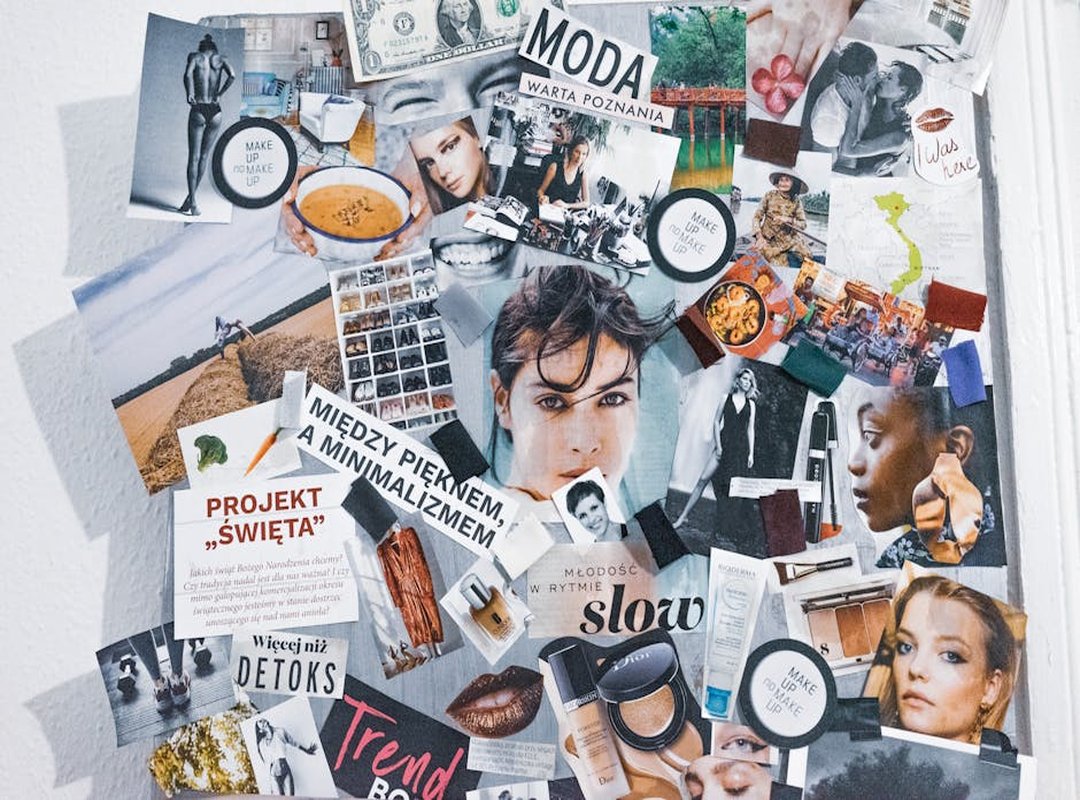
Ever tried mixing materials like sand, coffee grounds, or sawdust with acrylic gel medium or gesso? It creates a gritty surface that dances with light and paint. You get a texture so unique it practically screams for attention.
It’s one of those painting material hacks that changes everything.
Collage and image transfer add another layer of intrigue. Embedding paper or fabric into your work? Yes, please.
Use Mod Podge to secure them and make your art pop. Or try the gel medium transfer process. You can pull a laser-printed image right onto your canvas.
Imagine seamlessly blending photographic reality with painterly abstraction. It’s art magic.
But here’s a lesson I learned the hard way (and you should too): seal everything. Use a good sealant to protect these outsider materials. If you don’t, your masterpiece might not stand the test of time.
And trust me, after all that creative effort, the last thing you want is your art falling apart.
Experiment. Fail. Learn. the magic happens.
Light and Color: Glazing and Scumbling
Ever felt frustrated trying to breathe life into your paintings? This is where glazing and scumbling, two painting material hacks, come into play. Glazing is like peering through colored glass.
It’s about layering a thin, transparent paint over a dry area, letting you shift hues or deepen shadows. It’s magic, really. Imagine a blue glaze over a yellow base.
Suddenly, you’ve got a luminous green that mixing directly wouldn’t achieve.
Now, let’s tackle scumbling. It’s the opposite of glazing. You use a dry brush with semi-opaque paint over another color.
Think of it as creating a hazy or shimmering effect. This technique softens edges and unifies your painting in a way that makes everything pop subtly yet a lot. It’s a bit like making a masterpiece look like it’s emerged from a dream.
It’s the perfect way to get those hard to find atmospheric depths you’ve been chasing.
So why struggle with flat and lifeless canvases? These techniques inject your art with depth and light. Next time you stare at a painting that needs a boost, remember these tools.
Embrace them. They’ll transform the way you see and create art.
Unleash Your Creative Adventure Now
Feeling trapped by the same old painting methods? It’s time to break free. The artist’s path thrives on exploration, and these painting material hacks are your ticket to endless creativity.
They invite you to play, to mess up, to find beauty in chaos. real art lives.
Pick one technique that excites you. Dive in. Don’t chase perfection.
Seek the unexpected. Your truest work emerges when you let go of limits.
Ready to transform your art journey? Try a new hack today. Your masterpiece (hidden) within experimentation (awaits.) So go ahead, start experimenting.
Your canvas craves it.
 Wesley Phamantons contributed to the development of LWMF Crafts by supporting the growth of its creative content and helping shape the platform’s approach to showcasing crafting techniques and artistic trends. Through collaborative efforts and attention to detail, Phamantons played a role in strengthening the project’s vision of inspiring creators and sharing practical crafting insights.