
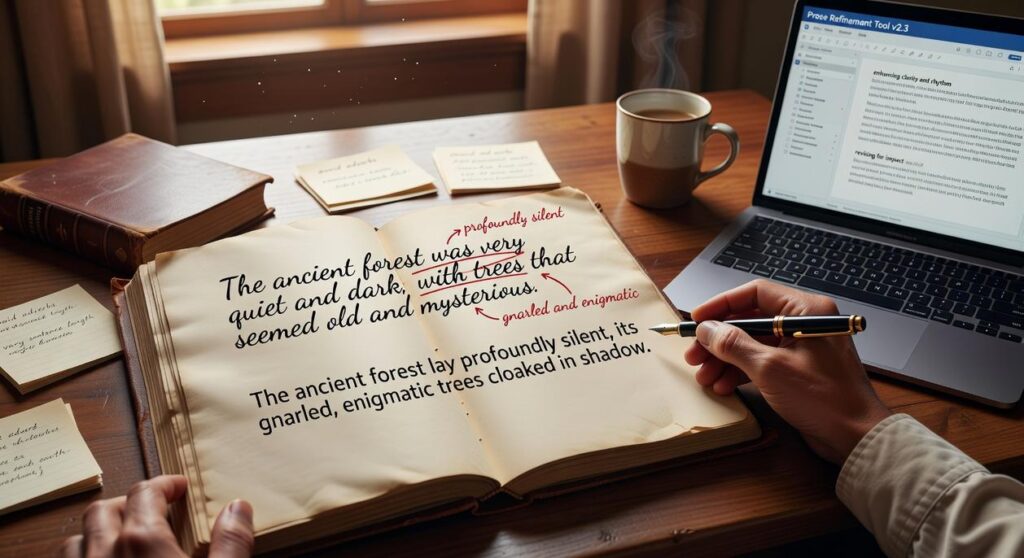
Step 3: The Essay Blueprint – Structuring Your Analysis for Impact
Every strong art essay follows a clear structure. Think of it like stretching canvas before painting—without structure, everything sags. The classic format is simple: introduction, body paragraphs, conclusion. However, for art analysis, each section has a specific job.
The Introduction
First, briefly introduce the artwork and artist, including the title, date (if relevant), and medium. Context matters—whether you’re analyzing a Renaissance fresco in Florence or a mixed-media installation at Miami’s Art Basel, location and period shape meaning. Then, end with a clear thesis statement (your main argument about what the artwork communicates and how). This is your roadmap.
Crafting Body Paragraphs with the “PEE” Method
Next, build your paragraphs using PEE—a practical framework often emphasized in analyzing art essays guide resources.
-
Point: Start with a focused topic sentence.
Example: “The artist’s deliberate use of a somber color palette creates an overwhelming sense of melancholy.” -
Evidence: Describe specific visual details.
“The figure is cloaked in deep blues and muted grays, with no primary colors to offer relief.” -
Explanation: Analyze how the evidence supports your claim.
“These colors drain the scene of vitality, reinforcing the subject’s emotional isolation.”
(Pro tip: If your “Explanation” feels obvious, dig deeper—discuss symbolism, cultural context, or technique.)
Logical Flow
Finally, organize paragraphs either thematically (e.g., isolation, power, rebellion) or by formal elements like color, composition, and texture. In other words, don’t jump randomly between ideas. A well-structured essay should feel intentional—less chaotic studio floor, more curated gallery wall.
Step 4: Polishing Your Prose – Vocabulary and Common Pitfalls

I still remember getting back an early art history essay covered in red ink. My professor circled an entire paragraph and wrote one word in the margin: “Summary.” Ouch. That’s when I learned the difference between describing and analyzing.
Avoiding Common Mistakes
Pitfall #1: The Plot Summary
It’s tempting to narrate what you see: “The man is holding a skull.” But that’s description. Analysis explains significance: the skull functions as a memento mori (a reminder of death), reinforcing themes of mortality. In other words, move from what to why it matters. If you’re unsure, ask yourself: “So what?” (Yes, literally.)
Pitfall #2: The Biographical Dump
Students often pour in the artist’s entire life story. However, unless a detail directly clarifies the artwork, it’s background noise. Mention biography only when it illuminates meaning. (Think spotlight, not floodlight.)
Elevating Your Language
Using an analyzing art essays guide can sharpen your precision. Start by mastering essential terms:
- Composition: How elements are arranged in the artwork.
- Palette: The range of colors used.
- Chiaroscuro: Strong contrasts between light and dark (popular in Baroque painting; see Tate glossary).
- Juxtaposition: Placing elements side by side for contrast.
- Iconography: The study of symbols and their meanings.
Finally, be specific. Replace “nice colors” with “a muted, earthy palette.” Replace “interesting” with “visually arresting due to stark chiaroscuro.” Pro tip: if a word could describe a sandwich, it’s probably too vague for art.
From Viewer to Interpreter
You came here wanting a clear way to make sense of art—and now you have a complete method to move from passive viewer to confident interpreter. Writing about art doesn’t have to feel intimidating. It’s not a mysterious talent reserved for critics; it’s a skill you build step by step.
By following the framework in this analyzing art essays guide—observe carefully, form an argument, structure your ideas, and polish your language—you turn scattered thoughts into focused insight. That structure replaces uncertainty with clarity.
Now it’s your turn. Visit a local gallery or pull up a favorite artwork online and apply the four-step method immediately. The fastest way to grow is to practice—start today.
 Zayric Xenvale