
The “Why” Behind Green Crafting: More Than Just a Trend
At first glance, green crafting can seem like another Pinterest phase (remember the mason jar everything era?). However, the reasons run deeper.
Reducing Landfill Waste. Many common supplies—synthetic yarns, glitter, vinyl—are forms of microplastics (tiny plastic particles that don’t biodegrade). According to the United Nations Environment Programme, microplastics persist in ecosystems for decades. Instead, try this:
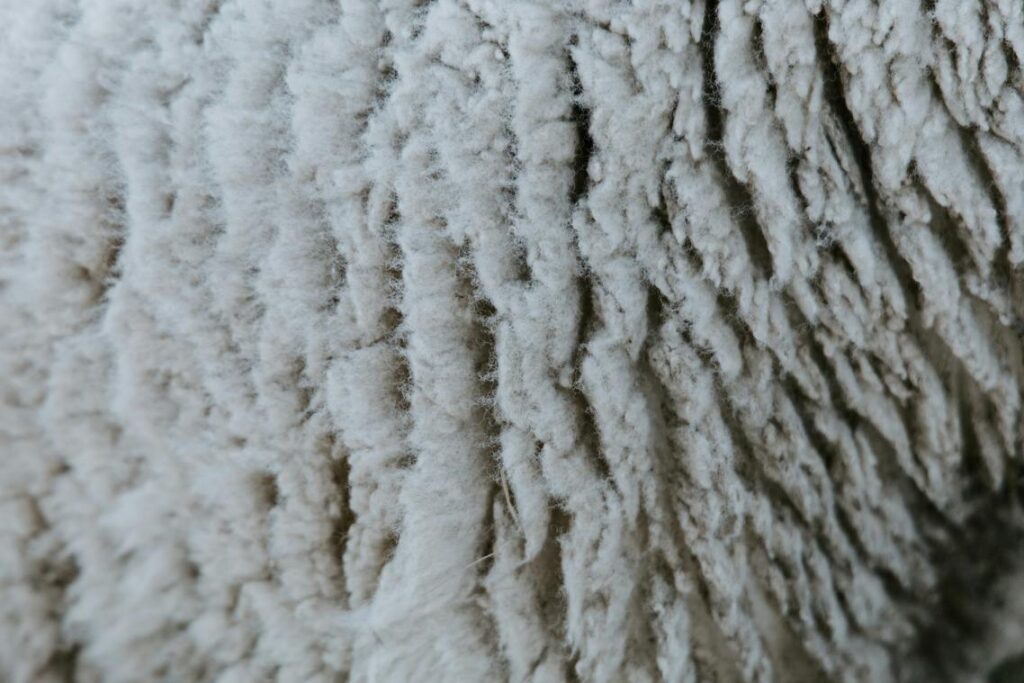
- Swap polyester yarn for organic cotton or wool.
- Use paper confetti instead of plastic glitter.
- Repurpose old fabric scraps into patchwork projects.
(Pro tip: Keep a “scrap bin” within arm’s reach so nothing usable gets tossed.)
Protecting Your Health. Some spray paints and adhesives release VOCs (volatile organic compounds—gases that can affect indoor air quality). Choose water-based paints and work near open windows.
Fostering Deeper Creativity. ограничения spark innovation. Limiting yourself to sustainable craft practices—like using only found materials—often leads to more original designs.
Connecting with Nature. Finally, experiment with natural dyes (think onion skins or turmeric). You’ll start noticing textures, seasons, and materials differently—and that awareness changes everything.
Your Next Masterpiece Can Be a Green One
Creativity should feel inspiring—not weighed down by the guilt of wasted materials and excess scraps. The good news? Environmentally-friendly crafting is accessible, beautiful, and impactful. You don’t have to choose between stunning results and responsible choices.
By embracing sustainable craft practices like upcycling materials, choosing natural elements, and adopting mindful techniques, your art can actively support a healthier planet. Your passion no longer has to come at the earth’s expense.
Now it’s your move. Challenge yourself to use at least one eco-friendly method in your very next project—and turn your next masterpiece into a green one.
 Lynn Hallierones