
If you’re searching for real solutions to creative burnout recovery, you’re likely feeling drained, stuck, or disconnected from the work you once loved. This article is designed to help you understand why creative burnout happens, how it affects your artistic rhythm, and—most importantly—what you can do to reignite your inspiration with practical, sustainable strategies.
Rather than offering vague motivational advice, we break down proven techniques used by professional artists, designers, and makers to rebuild creative momentum. From resetting your workflow to experimenting with new materials and low-pressure DIY exercises, you’ll find actionable steps that fit naturally into your creative routine.
Our guidance is informed by ongoing analysis of crafting trends, artistic development practices, and real-world creative experimentation across multiple mediums. By the end of this article, you’ll have a clear, manageable path toward restoring your energy, refining your process, and creating with confidence again.
When the Well Runs Dry
You’re not untalented; you’re overloaded. Burnout happens when stress outpaces restoration (the brain can only sprint so long). Studies show chronic stress reduces cognitive flexibility, a key driver of creativity (American Psychological Association).
Option A: Push Harder
- Force daily output
- Ignore fatigue
- Compare yourself to others
Option B: Restore to Create
- Schedule white space
- Lower the bar temporarily
- Revisit playful projects
Option A may feel heroic—like a tortured genius montage—but it deepens depletion. Option B supports creative burnout recovery by calming your nervous system and rebuilding momentum. Pro tip: track energy, not just output daily.
Why Your Creative Well Feels Dry: The Science of Stress
Ever notice how your best ideas seem to vanish the moment life gets overwhelming? That’s not a personal failure—it’s biology. When you’re under chronic stress, your body activates the fight-or-flight response, a survival mechanism designed to protect you from danger. This response floods your system with cortisol, a stress hormone that prioritizes immediate survival over long-term thinking (American Psychological Association, 2023).
In other words, your brain shifts resources away from the prefrontal cortex—the area responsible for imagination, problem-solving, and artistic expression—and toward basic survival circuits. Think of your brain as a garden. Creativity is the flower, and stress is a drought. Without water, even the healthiest seeds won’t sprout.
Some people argue that pressure fuels creativity. And yes, short bursts of stress can sharpen focus (a looming deadline can light a fire). However, prolonged stress does the opposite. It disrupts neural connectivity and reduces cognitive flexibility—key ingredients for original thought (McEwen, 2017).
So what actually helps? First, regulate your nervous system: deep breathing, short walks, or even 10 minutes of mindful crafting can lower cortisol levels. Pro tip: schedule low-stakes creative play—no goals, no judgment. Counterintuitive as it sounds, slowing down is often the fastest path to creative burnout recovery.
Step 1: The Power of the Intentional Creative Pause
The first move in creative burnout recovery is counterintuitive: create less. Not forever, just for now. Think of it as A vs. B. Option A: push through, keep scrolling, keep sketching, keep saying yes. Option B: step back on purpose. A feels productive (and socially impressive). B feels uncomfortable. Yet B is where your nervous system finally exhales.
This is where a sensory diet comes in. A sensory diet means intentionally reducing inputs—news alerts, social feeds, background podcasts, even constant notifications. According to the American Psychological Association, chronic stress elevates cortisol, which can impair focus and creativity over time. Less input, lower cortisol, clearer thinking.
So what does Option B look like in real life? Schedule short, non‑negotiable “do nothing” breaks. Five minutes of mindful breathing. A silent walk without headphones. Sitting on a bench and watching clouds drift by (yes, like a bored kid on summer break).
You might argue that rest is indulgent when deadlines loom. However, strategic rest is maintenance, not laziness. Pro tip: put these pauses on your calendar like meetings; if it’s scheduled, you’re more likely to honor it. In slowing down, you make space for better ideas to return stronger than before and refreshed.
Step 2: Low-Stakes Crafting to Reignite the Spark
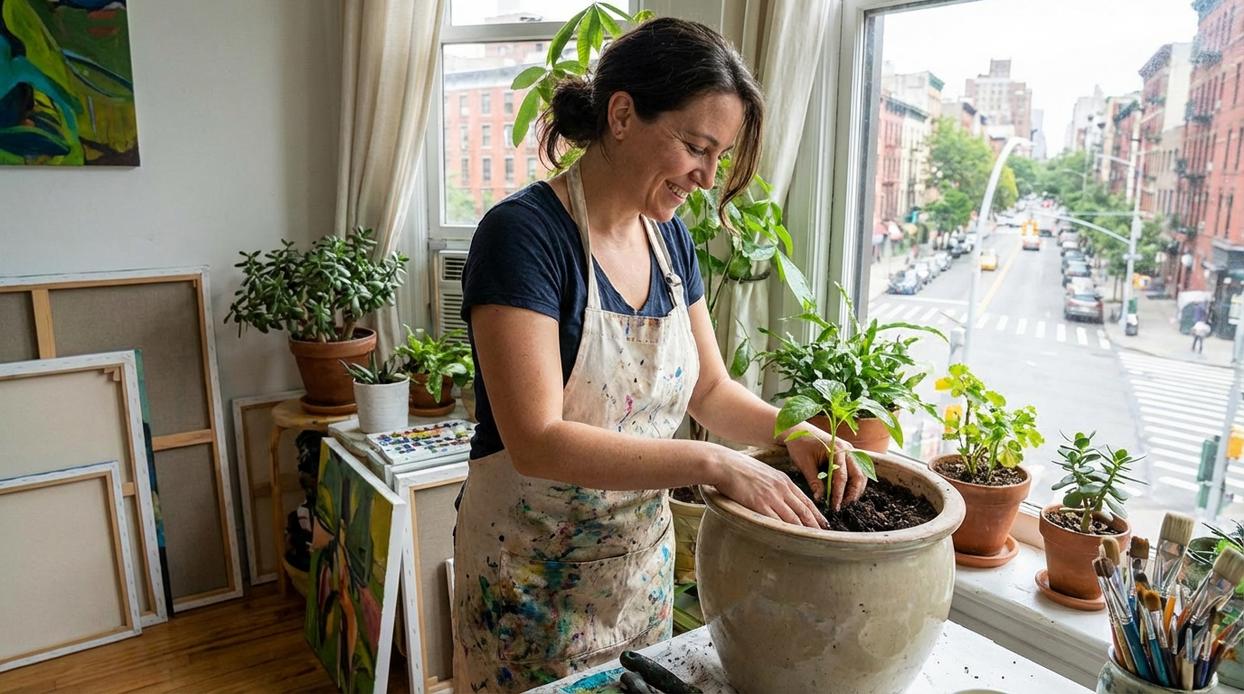
Once you’ve created space, the next move is deceptively simple: make something that doesn’t matter. Not for Instagram. Not for a portfolio. Just for you. In other words, this is where creative burnout recovery becomes tactile instead of theoretical.
Many guides stop at “rest more.” That’s helpful—but incomplete. Research on flow states shows that low-pressure, repetitive activities can gently reactivate intrinsic motivation (Csikszentmihalyi, 1990). So rather than chasing a masterpiece, you’re rebuilding what psychologists call procedural fluency—the ease of doing something without overthinking it.
Start small.
- Mindful Doodling: Take one pen and fill a page with lines or loops. No sketching first. No erasing. The constraint is the point (limitations quiet perfectionism).
- Color Swatching: Blend watercolors just to observe pigment behavior. Watch edges feather. Notice saturation shifts. You’re studying cause and effect, not producing “art.”
- Found-Object Collage: Arrange scraps or leaves without glue. Composition without commitment lowers stakes dramatically—like rehearsal without opening night.
Some people argue this is unproductive. Shouldn’t you be finishing real projects? Fair question. But neuroscience suggests exploratory play strengthens neural pathways linked to originality (Jung et al., 2013). Skipping this phase is like expecting to run a marathon without stretching.
For a deeper look at why this works, revisit the science behind creativity and how it works.
Pro tip: Set a 10-minute timer and stop mid-mark. Leaving a thread unfinished makes it easier to return tomorrow.
Think of this stage as muscle memory with glitter on it. Process first. Spark second. Perfection? Later.
Step 3: Building a Resilient Creative Practice
Now that the spark is flickering back to life, the next step is protecting it. After all, inspiration is fragile (a bit like sourdough starter—you have to keep feeding it).
First, establish a creative ritual—a small, repeatable action that cues your brain it’s time to make something. A ritual is simply a consistent behavior tied to a specific outcome. One painter told me, “When I light the same cedarwood candle, my brain knows it’s studio time.” Another laughed, “It’s the playlist. First track drops, and I’m in.” Over time, your mind begins to associate that signal with focus.
Equally important, set firm boundaries. “If it’s on my calendar, it’s sacred,” a ceramicist once said. Treat creative time like a doctor’s appointment—non‑negotiable.
Some argue structure kills spontaneity. But in practice, routine fuels creative burnout recovery by conserving mental energy for the art itself.
Protect the spark. Then let it grow.
Your Creative Renaissance Awaits
You now have the complete toolkit to move from overwhelm back to artful flow. Stress is a biological response, not a moral verdict (and I will admit scientists still debate its exact mechanisms). For creative burnout recovery, think small and kind. Pause long enough to breathe; then pick a playful, low-stakes project. Build rituals that feel safe, even if we cannot prove which ones work best. Your creativity never vanished; it simply waited for steadier ground. Choose one tiny action today. Trust the process, adjust gently, and let curiosity lead you forward again. Three brave breaths.
Keep Your Creativity Alive and Thriving
You came here looking for real, practical ways to overcome creative blocks and reignite your passion. Now you have the tools, techniques, and perspective to move forward with clarity and confidence.
Creative fatigue can feel isolating. The frustration of staring at unfinished projects, the pressure to be original, and the fear that your spark has faded are real pain points every maker faces. But creative burnout recovery isn’t about forcing inspiration — it’s about rebuilding momentum with intention.
Start small. Revisit a simple technique. Experiment with a new material. Try one quick project using the hacks and trends you’ve just explored. Action creates clarity — and clarity restores confidence.
If you’re ready to stop feeling stuck and start creating with energy again, explore more step-by-step guides, artisan spotlights, and material hacks designed to get your ideas flowing fast. Join thousands of makers who rely on our proven creative insights to stay inspired.
Don’t let burnout steal another project from you. Dive into your next idea today and turn that creative spark back into a fire.
 Lynn Hallierones