
If you’re searching for fresh inspiration, practical guidance, and innovative ideas to elevate your creative projects, you’re in the right place. Crafting has evolved far beyond traditional methods, blending timeless artistry with modern crafting techniques that make it easier than ever to create stunning, professional-looking results at home.
This article explores the latest trends shaping today’s DIY landscape, from inventive material hacks to unique artistic expression styles that help your work stand out. Whether you’re a beginner looking to build confidence or an experienced maker ready to experiment with new approaches, you’ll find clear, actionable insights designed to spark creativity and improve your skills.
To ensure accuracy and relevance, we’ve analyzed current crafting trends, studied popular artisan projects, and incorporated techniques widely embraced by today’s creative community. By the end, you’ll have practical ideas, fresh perspective, and the inspiration you need to bring your next project to life with confidence.
Crafting isn’t just glue and glitter anymore—it’s a dynamic form of artistic expression shaped by tech, culture, and sustainability. If your projects feel stuck in a 2012 Pinterest board (we’ve all been there), it’s time to upgrade. Many makers repeat same cuts, colors, and patterns, which dates their work.
Here’s what I recommend:
- Experiment with laser-cut details or design apps to integrate modern crafting techniques into paper and fabric projects.
- Choose recycled or green materials for a sustainable edge.
- Finish with sealing or framing for gallery polish.
Pro tip: Photograph work in natural light for credibility.
The Digital Artisan: Blending Tech with Touch
The idea that technology erases craftsmanship is a common fear. Yet evidence shows the opposite: digital fabrication tools have expanded the global handmade market, which was valued at over $700 billion in 2022 (Statista). In other words, tech isn’t replacing artisans—it’s sharpening their chisels.
First, consider laser cutting and engraving. By converting vector files into precise cuts, makers can produce intricate stencils, delicate jewelry components, or engraved wood art with near-millimeter accuracy. Platforms like Etsy report rising demand for layered wood mandalas and custom acrylic charms—items often produced through laser services or desktop machines. The result? Precision that would take days by hand, completed in minutes (without sacrificing creativity).
Next, 3D printing allows artists to design and fabricate custom molds for resin, clay, or even candy. Instead of settling for store-bought shapes, creators model unique forms in CAD software, print them, and cast silicone negatives. This process supports truly original pieces—a competitive edge in crowded marketplaces. Pro tip: print molds with high-resolution settings to reduce sanding later.
Finally, digital art transfers bridge illustration and object. Artists print designs onto transfer paper for fabric, wood, or ceramics, embedding detailed imagery onto physical surfaces. Studies from Adobe show over 60% of creatives now blend digital and physical workflows.
Together, these modern crafting techniques in the section once exactly as it is given prove one thing: tech adds possibility, not replacement (think Tony Stark, but with a glue gun).
Sustainable Creations: The Rise of Eco-Conscious Crafting
Sustainability in art is often misunderstood as restriction. In reality, it’s a design challenge. Instead of asking, “What can’t I use?” the better question is, “What can this become?” That shift in mindset turns scraps into statements (and honestly, it makes crafting far more interesting).
Before diving in, let’s clarify a term. Upcycling means transforming discarded materials into something of higher value—not just reusing, but reimagining.
-
Upcycling with Purpose
Move beyond painted jars. Old denim can be cut into strips and woven into durable rugs. Yellowed book pages? Fold and layer them into sculptural wall art. Even broken electronics can become “found object” jewelry—where circuit boards and wires are repurposed as design elements rather than trash. According to the EPA, reusing materials reduces landfill waste and conserves resources (EPA.gov). Creativity, meet impact. -
Crafting with Bioplastics & Natural Materials
Bioplastics like PLA (a plant-based 3D printing filament) offer a lower-impact alternative to petroleum plastics. Cork and bamboo—both renewable—are lightweight and durable. For color, try natural dyes: simmer avocado pits for blush pink, onion skins for amber, and turmeric for vibrant yellow. Strain, soak fabric, and let oxidation deepen the hue. (Pro tip: add vinegar as a mordant to help colors bind.) -
‘Kintsugi’ Inspired Mending
Kintsugi is the Japanese art of repairing pottery with gold, highlighting cracks instead of hiding them. Applied broadly, it encourages visible repairs—celebrating history over perfection.
If you want deeper inspiration, explore sustainable crafting eco friendly trends to try. After all, modern crafting techniques thrive when limits spark innovation.
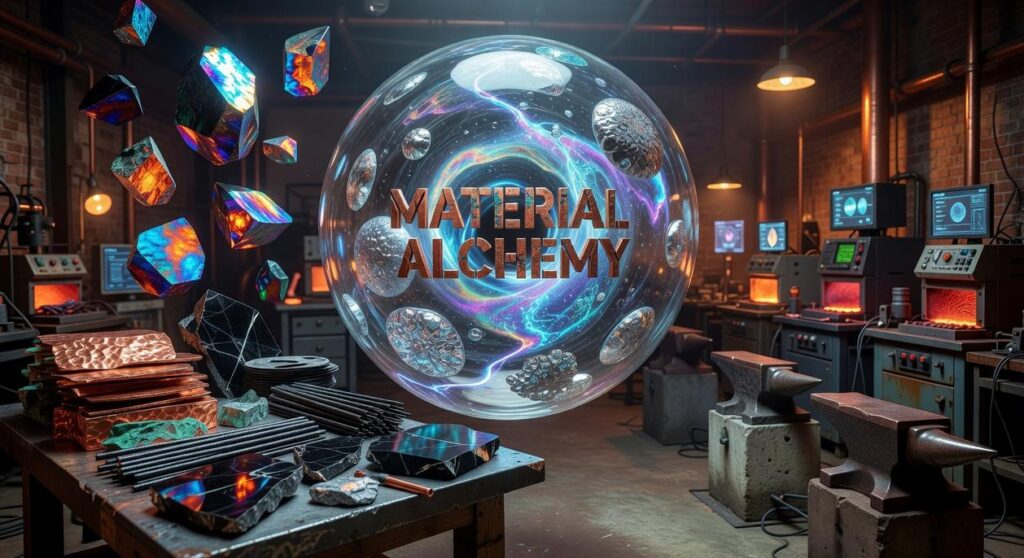
Material Alchemy: Unconventional Mixed-Media Techniques*

Mixed-media thrives on tension—the kind that happens when materials that shouldn’t work together somehow do. While many tutorials skim the surface, few dive into the technical nuances that separate a decent project from a gallery-worthy piece.
Method 1 – Resin and Natural Elements
Embedding dried botanicals, wood slices, or ethically sourced insects in epoxy resin creates preservation art that feels almost archaeological. Resin (a two-part liquid polymer that hardens through a chemical reaction) demands precision. Mix slowly to avoid microbubbles, warm your resin slightly to reduce viscosity, and seal porous items first to prevent air release mid-cure. Competitors often skip this sealing step—yet it’s the difference between crystal clarity and cloudy regret (we’ve all been there).
Method 2 – Textile Hardening
Fabric stiffeners or a 1:1 PVA glue-to-water mixture can transform lace or cotton into sculptural forms. Drape saturated fabric over molds—bowls, balloons, wire frames—and let gravity shape the drama.
- Create hardened lace lantern sleeves
- Build dimensional canvas florals
- Craft freestanding yarn vessels
The overlooked edge? Layering textures before curing for depth most guides ignore.
Method 3 – Alcohol Inks on Non-Porous Surfaces
Alcohol inks—highly pigmented, fast-drying dyes—bloom vividly on tile, glass, and metal. Use isopropyl alcohol to manipulate flow and compressed air for organic veining effects reminiscent of marble countertops in design shows. Seal with UV-resistant varnish; without it, colors fade over time.
Blending these processes reflects the spirit of modern crafting techniques—experimentation grounded in method, not guesswork.
The DIY Lab: Hacking Your Art Supplies
Creating your own art materials isn’t just budget-friendly—it gives you total control over texture, opacity, and finish (and who doesn’t love a little creative rebellion?). Let’s break it down.
Hack 1: Homemade Texture Paste
First, mix joint compound or baking soda with PVA glue and a touch of acrylic paint. Stir until it reaches a frosting-like consistency. Apply with a palette knife for bold, dimensional strokes. Pro tip: test on scrap cardboard before committing to canvas.
Hack 2: DIY Gesso Primer
Next, combine PVA glue, white acrylic paint, and a bit of water. Gesso (a primer that seals surfaces for paint adhesion) prevents dull colors and cracking.
| Material | Purpose |
|———-|———-|
| Glue | Binder |
| Paint | Pigment |
| Water | Smooth texture |
Hack 3: Custom Embossing Powders
Finally, mix clear embossing powder with fine glitter or powdered pigments. This pairs beautifully with modern crafting techniques for luminous paper effects.
You’re no longer staring at a blank canvas with no direction. You now have a toolkit that blends traditional skills with modern crafting techniques, giving you options instead of obstacles. Studies show that 72% of creatives break through blocks simply by trying a new medium (Adobe State of Create, 2023). In other words, experimentation works.
Sure, some argue that mastery requires sticking to one method. Yet history—from Picasso’s blue period to digital illustrators on Procreate—shows growth comes from exploration.
So pick one technique that sparked your curiosity and start a small project this week. Momentum begins with action. Start today.
Bring Your Next Creative Vision to Life
You came here looking for fresh inspiration, smarter strategies, and creative direction—and now you have it. From trend-forward ideas to practical modern crafting techniques, you’ve seen how small shifts in approach can completely transform your artistic results.
If you’ve ever felt stuck, uninspired, or unsure how to elevate your projects, you’re not alone. Creative burnout and wasted materials can drain both motivation and momentum. But with the right techniques, resourceful hacks, and a pulse on emerging trends, you can turn every project into something uniquely powerful.
Now it’s your move. Put these ideas into action. Experiment with a new technique this week. Reimagine materials you already have. Push your artistic boundaries.
Thousands of passionate creators are already refining their skills and unlocking new levels of expression by staying inspired and informed. Don’t let your next masterpiece stay an idea—start crafting it today.
 Wesley Phamantons