
Looking for fresh crafting inspiration, smarter DIY hacks, or new ways to elevate your artistic expression? This article explores the latest creative buzz shaping today’s maker community—along with practical techniques you can start using right away. From emerging crafting trends and innovative material uses to standout artisan project spotlights, we break down what’s gaining momentum and why it matters for your next project.
Whether you’re experimenting with mixed media, refining your handmade aesthetic, or exploring the art therapy benefits of creative practice, you’ll find actionable ideas designed to spark momentum and build confidence. We’ve carefully analyzed current trends, tested popular DIY material hacks, and reviewed real-world crafting approaches to ensure the insights shared here are practical, relevant, and inspiring.
By the end, you’ll have clear direction, fresh techniques to try, and creative strategies that help you turn everyday materials into meaningful, eye-catching art.
Ever felt emotions so tangled you couldn’t name them? I have. Sometimes stress sits heavy, yet words refuse to cooperate. Traditional talk therapy helps many people; however, it’s not for everyone. Some of us need paint, clay, or a sketchpad to speak first. That’s where art therapy steps in—a guided process using creative expression to explore feelings, reduce stress, and build self-awareness. In my experience, the art therapy benefits are both emotional and physical: calmer breathing, sharper focus, surprising clarity. So, let’s explore how creative practice can genuinely heal from the inside out. It works in quiet, powerful ways daily.
The Emotional Advantages: Processing Feelings Without Words
When emotions run high, most people default to talking it out. But sometimes, words feel like blunt instruments for delicate feelings. That’s where creativity steps in. Compared side by side—verbal processing vs. visual expression—the difference can be striking.
First, consider stress reduction. Talking through anxiety can help, yes. However, the creative process often lowers cortisol (the body’s primary stress hormone) and induces a calm, meditative state, according to research from Drexel University (2016). In other words, painting for 45 minutes can mirror mindfulness practice. Think of it as meditation with messy hands (and far better color options).
Next comes safe emotional release. In conversation, grief or anger can feel overwhelming or even retraumatizing. By contrast, art provides a container—a structured, physical space where difficult emotions can exist safely. This is one of the most cited art therapy benefits. Instead of reliving a memory verbally, you shape it, color it, or abstract it. The feeling moves from inside your chest onto the canvas.
Then there’s self-esteem. Talking about goals is empowering; creating something tangible is transformative. Completing a piece—no matter your skill level—builds confidence through visible accomplishment. (Yes, even stick figures count.) Pro tip: finish small projects fully to reinforce that sense of completion.
Finally, externalizing internal struggles changes perspective. A problem in your head feels infinite. A problem sketched on paper feels defined. Once you can see it, you can adjust it—almost like editing a scene in a Pixar film.
Words explain. Art reveals. Both matter, but sometimes the quieter medium speaks louder.
The Cognitive Benefits: Sharpening Your Mind Through Creativity
Creativity isn’t just about making something pretty for your wall. It’s brain training in disguise (and a lot more fun than Sudoku).
Enhancing Self-Awareness
First, think of art-making as a mirror. When you choose bold reds or soft blues, abstract swirls or tight lines, you’re revealing emotional patterns you might not consciously notice. This reflective process is one of the most overlooked art therapy benefits. To try it yourself, set a 10-minute timer, create freely, then ask: What does this say about my current mood? You may be surprised by the symbolism that shows up.
Improving Focus and Concentration
Next comes the “flow state”—a term coined by psychologist Mihaly Csikszentmihalyi to describe deep, joyful immersion in a task (Journal of Personality and Social Psychology, 1990). When you’re fully absorbed in sketching or sculpting, mental chatter quiets. To access flow, remove distractions, pick a single project, and commit to finishing one small section before stopping. Over time, this strengthens sustained attention.
Developing Problem-Solving Skills
Finally, every creative project presents obstacles: colors clash, materials run short, ideas stall. Instead of quitting, experiment. Swap tools. Layer textures. Adjust proportions. These micro-decisions build cognitive flexibility—your brain’s ability to adapt under pressure.
If consistency is your challenge, start with this guide on how to build a daily creative habit that lasts and put these techniques into action today.
The Physical and Sensory Perks: Engaging the Body in Healing
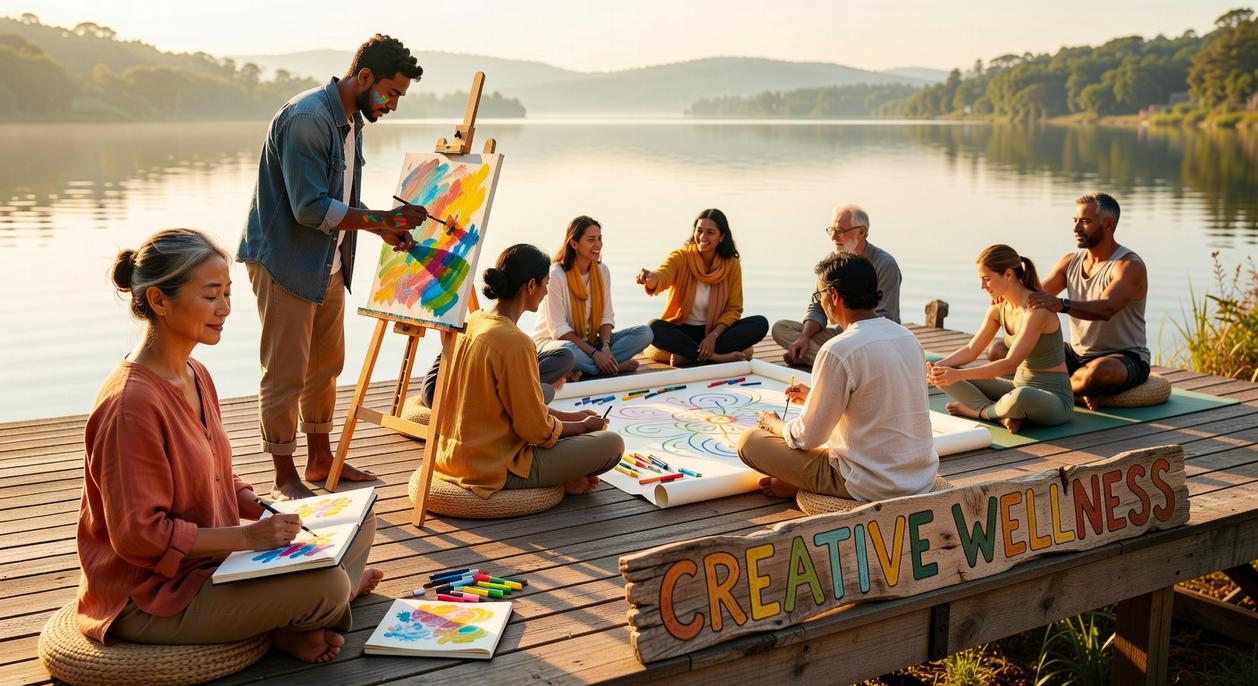
First, let’s talk about fine motor skill development. Activities like drawing, painting, or sculpting require controlled, precise movements of the hands and fingers. Dexterity (the skillful use of small muscles) and hand-eye coordination improve as the brain and body learn to work in sync. For children, that might mean better handwriting. For adults or seniors, it can support flexibility and daily functioning. While I can’t claim every creative session leads to measurable gains, research suggests repetitive, intentional hand movements strengthen neural pathways over time (American Art Therapy Association).
At the same time, sensory regulation plays a powerful role. The texture of clay, the smell of paint, the smoothness of charcoal—these sensory inputs can ground the nervous system. Sensory regulation refers to the body’s ability to manage and respond to sensory information in a balanced way. Some therapists argue results vary widely, and they’re right; not every material soothes every person. Still, many report feeling calmer after tactile creative work.
Finally, the mind-body connection deepens through focused attention on physical sensations. This mindful awareness—central to many art therapy benefits—helps individuals notice how emotions show up in the body (tight shoulders, shallow breathing) and gently shift that state through creation.
Simple Art Exercises You Can Try Today
Feeling overwhelmed but not sure where to start? Try these low-pressure creative exercises that require nothing more than paper and something to draw with.
The Mindful Scribble
Close your eyes. Think of a specific feeling—stress, excitement, even boredom. Let your hand move freely across the page without judging the result. This kind of intuitive drawing (creating without conscious control) can calm racing thoughts and highlight surprising patterns. Many people notice looser lines as tension fades.
Color Your Emotions
Draw a simple body outline or a circle divided like a wheel. Assign colors to emotions and fill in where you feel them physically. For example, anxiety might sit in your chest as sharp red strokes. This builds emotional awareness and taps into art therapy benefits.
Create a Worry Box
Decorate a small box. Write worries on slips of paper and place them inside. Containment makes abstract fears feel manageable—and that alone can bring relief.
Your First Step on a Creative Healing Journey
Creative healing means using art to explore emotions instead of bottling them up. Think of it as a conversation with yourself, but with paint, paper, or music. The goal is process, not perfection. In other words, you are not chasing a masterpiece; you are practicing awareness.
Skeptical? Some argue creativity is a hobby, not growth. Yet studies show art therapy benefits include reduced stress and improved regulation (AATA).
| Try This | How |
|---|---|
| Doodle feelings | Set a 10‑minute timer |
Choose one exercise and begin with curiosity.
Exploring the transformative power of art therapy can greatly enhance your creative expression, much like the innovative techniques shared in our Infoguide Lwmfcrafts, which inspire hands-on engagement and self-discovery through various crafting methods.
Keep Creating, Keep Healing
You came here looking for inspiration, practical techniques, and meaningful ways to elevate your creative practice—and now you have them. From fresh crafting trends to hands-on material hacks, you’ve seen how simple artistic shifts can unlock deeper expression and more fulfilling results.
But beyond beautiful projects and trending techniques, the real power lies in the art therapy benefits that creativity brings into your daily life. When stress builds up or inspiration feels blocked, creating with your hands becomes more than a hobby—it becomes a reset button. Ignoring that need often leads to burnout, creative frustration, and unfinished ideas collecting dust.
Don’t let that happen.
If you’re ready to turn inspiration into action, start your next project today. Explore new materials, experiment with bold techniques, and challenge yourself to create something that reflects exactly how you feel right now. Join thousands of passionate makers who are transforming everyday supplies into meaningful art and rediscovering their creative spark in the process.
Pick up your tools, try one new technique from this guide, and create something today—your mind and your craft will thank you.
 Zayric Xenvale is the kind of writer who genuinely cannot publish something without checking it twice. Maybe three times. They came to artistic expression styles through years of hands-on work rather than theory, which means the things they writes about — Artistic Expression Styles, Specialty Reads, LWMF Artisan Project Spotlights, among other areas — are things they has actually tested, questioned, and revised opinions on more than once.